Sponsored
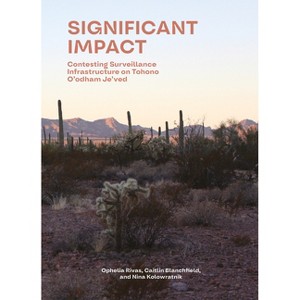
About this item
Highlights
- This book documents the impact of U.S. surveillance infrastructure on the Tohono O'odham Nation, challenging militarized environmental assessments and Western land protocols.
- Author(s): Caitlin Blanchfield & Nina Kolowratnik & Ophelia Rivas
- 168 Pages
- Architecture, Urban & Land Use Planning
Description
Book Synopsis
This book documents the impact of U.S. surveillance infrastructure on the Tohono O'odham Nation, challenging militarized environmental assessments and Western land protocols.
Through traditional knowledge, spatial research, and Indigenous narratives, it reframes land as interconnected life and genealogy.
It brings together critical mappings, essays, and a Counter Environmental Assessment to document and describe the effects of surveillance infrastructure on the Tohono O'odham Nation. Through traditional knowledge, research, spatial analysis, oral history-based writing, and critical essays, this book advocates against militarized infrastructures on Indigenous lands and challenges common protocols of environmental review, along with the Western frameworks of scientific classification and land as property embedded in them.
The project highlights the impact of surveillance when considered through Indigenous sovereignty and an O'odham understanding of land--through interconnected forms of life and genealogies of place. Authored with informed consent, it asserts Indigenous sovereignty while protecting sacred knowledge.
Shipping details
Return details
Frequently bought together






Trending Non-Fiction






Discover more options