Sponsored
In Stock
Sponsored
About this item
Highlights
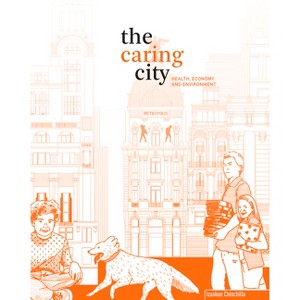
- This book invites us to rethink architectural and urban models, prioritizing not so much the technical, formal and abstract knowledge sought by urban planners, as the public and civic dimension of citizens' experience when they try to care for themselves, for each other or for the environment.
- Author(s): Izaskun Chinchilla Moreno & Marc Palahí
- 192 Pages
- Architecture, Urban & Land Use Planning
Description
About the Book
This book invites us to rethink architectural and urban models, prioritizing not so much the technical, formal and abstract knowledge sought by urban planners, as the public and civic dimension of citizens' experience when they try to care for themselves, for each other or for the environment. After decades of industrialization, our cities, in their physical and governmental dimensions, are productivity-oriented places. Cities are, nonetheless, a more hostile environment for non-productive activities: being able to choose where to sit and rest, use a public toilet, drink clean water without paying or breathe unpolluted air. The privilege that productive activities have enjoyed and those who exercise them has led to the denial of the various biological and subjective characteristics of its inhabitants and the multidimensional character of the city, becoming a cultural principle and a political practice. The Caring City opens up an extensive field of alternatives that can present a uniting vision of the economy, the environment and the health of a diverse community.
Book Synopsis
This book invites us to rethink architectural and urban models, prioritizing not so much the technical, formal and abstract knowledge sought by urban planners, as the public and civic dimension of citizens' experience when they try to care for themselves, for each other or for the environment.
After decades of industrialization, our cities, in their physical and governmental dimensions, are productivity-oriented places. Cities are, nonetheless, a more hostile environment for non-productive activities: being able to choose where to sit and rest, use a public toilet, drink clean water without paying or breathe unpolluted air. The privilege that productive activities have enjoyed and those who exercise them has led to the denial of the various biological and subjective characteristics of its inhabitants and the multidimensional character of the city, becoming a cultural principle and a political practice.
The Caring City opens up an extensive field of alternatives that can present a uniting vision of the economy, the environment and the health of a diverse community.
Review Quotes
"It is exciting to observe the scenes of real life in the photographs of Maite Caramés that accompany each of the 23 projects collected in this volume." --iOArch
Shipping details
Return details
Frequently bought together



Trending Non-Fiction




Discover more options