Sponsored
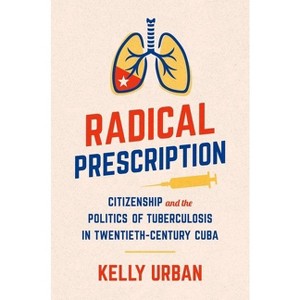
Radical Prescription - (Envisioning Cuba) by Kelly Urban (Paperback)
In Stock
Sponsored
About this item
Highlights
- Extinguishing a public health threat is difficult under any condition, let alone during a sweeping national revolution.
- Author(s): Kelly Urban
- 252 Pages
- Medical, Health Care Delivery
- Series Name: Envisioning Cuba
Description
About the Book
"In this first comprehensive study of tuberculosis in modern Cuba, Kelly Urban analyzes the medical, social, and governmental responses to the highly contagious disease, particularly as the island was heading into and emerging from the 1959 revolution. Tuberculosis--one of the top three causes of death in Cuba at the beginning of the twentieth century--provides a window onto broad questions of citizens' rights, biomedicine and public health, and political change"--
Book Synopsis
Extinguishing a public health threat is difficult under any condition, let alone during a sweeping national revolution. In this first comprehensive study of tuberculosis in modern Cuba, Kelly Urban analyzes the medical, social, and governmental responses to the highly contagious disease as the island was heading into and emerging from the Revolution of 1959, providing a window onto broad questions of citizens' rights, biomedicine and public health, and political change.
Drawing on a diverse range of sources revealing the perspectives of those at the center of power and those on the margins, Urban finds that the Cuban republican state intervened to confront the tuberculosis problem only after coming under intense grassroots pressure. Cuban citizens forged an activist political subculture around tuberculosis, rejecting discourses that blamed the sick for their own illness. This loose coalition of sanatorium patients, tenement dwellers, black public intellectuals, labor organizers, and reform-minded physicians won entitlements to state health care and pressed for other social rights that influenced health. Their critiques of the state's politicized and inefficient tuberculosis program contributed to the declining legitimacy of the Batista government, helping to spur the Revolution and an innovative restructuring of the public health system.
Review Quotes
"Radical Prescription contributes to a broader body of scholarship challenging the presumption that 1959 represented a watershed in Cuban history. . . . Urban's message is significant and timely--frank and determined assessments of state effectiveness and an awareness of the ways poverty and inequality affect health outcomes remain a critical cornerstone for moving toward a more equitable health system, especially in the wake of a global pandemic."--Hispanic American Historical Review
"Well-researched . . . This focus on Cuban public health policy and the interaction between the governments and citizens, and not just on tuberculosis, makes Radical Prescription of interest both to historians of medicine and generalists interested in Latin American history."--H-Sci-Med-Tech
Shipping details
Return details
Trending Non-Fiction




Discover more options