Target New ArrivalsGift Ideas for MomClothing, Shoes & AccessoriesHome & DecorKitchen & DiningOutdoor Living & GardenGroceryHousehold EssentialsBabyBeautyPersonal CareHealthWellnessLuggageSports & OutdoorsToysElectronicsVideo GamesMovies, Music & BooksSchool & Office SuppliesParty SuppliesGift IdeasGift CardsPetsUlta Beauty at TargetShop by CommunityTarget OpticalDealsClearanceTarget New ArrivalsSpring OutfitsGift Ideas for MomWomen’s Festival OutfitsTop DealsTarget Circle DealsWeekly AdShop Order PickupShop Same Day DeliveryRegistryRedCardTarget CircleFind Stores
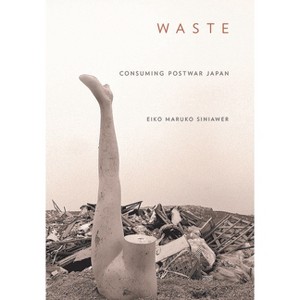
Waste - by  Eiko Maruko Siniawer (Hardcover) - 1 of 1

Waste - by Eiko Maruko Siniawer (Hardcover)

$56.95Save $88.05 (61% off)

In Stock

Free & easy returns

Free & easy returns

Return this item by mail or in store within 90 days for a full refund.
Eligible for registries and wish lists

About this item

Highlights

  • In Waste, Eiko Maruko Siniawer innovatively explores the many ways in which the Japanese have thought about waste--in terms of time, stuff, money, possessions, and resources--from the immediate aftermath of World War II to the present.
  • About the Author: Eiko Maruko Siniawer is Class of 1955 Memorial Professor of History at Williams College.
  • 414 Pages
  • History, Asia

Description


About the Book


In Waste, Eiko Maruko Siniawer innovatively explores the many ways in which the Japanese have thought about waste--in terms of time, stuff, money, possessions, and resources--from the immediate aftermath of World War II to the present. She shows how questions about waste were deeply embedded in the decisions of everyday life, reflecting the...


Book Synopsis


In Waste, Eiko Maruko Siniawer innovatively explores the many ways in which the Japanese have thought about waste--in terms of time, stuff, money, possessions, and resources--from the immediate aftermath of World War II to the present. She shows how questions about waste were deeply embedded in the decisions of everyday life, reflecting the priorities and aspirations of the historical moment, and revealing people's ever-changing concerns and hopes.

Over the course of the long postwar, Japanese society understood waste variously as backward and retrogressive, an impediment to progress, a pervasive outgrowth of mass consumption, incontrovertible proof of societal excess, the embodiment of resources squandered, and a hazard to the environment. Siniawer also shows how an encouragement of waste consciousness served as a civilizing and modernizing imperative, a moral good, an instrument for advancement, a path to self-satisfaction, an environmental commitment, an expression of identity, and more. From the late 1950s onward, a defining element of Japan's postwar experience emerged: the tension between the desire for the privileges of middle-class lifestyles made possible by affluence and dissatisfaction with the logics, costs, and consequences of that very prosperity. This tension complicated the persistent search for what might be called well-being, a good life, or a life well lived. Waste is an elegant history of how people lived--how they made sense of, gave meaning to, and found value in the acts of the everyday.


Review Quotes


Waste makes an outsized contribution to the study of postwar Japanese history will be essential reading for students of modern Japan as well as our current era more broadly.

-- "The Journal of Asian Studies"

Siniawer's book is a moving and meaningful cultural history relevant to Critical Discard Studies, rooted in the specific time and place of postwar Japan, and extends to the twenty-first century.

-- "Situations"

Eiko Maruko Siniawer's study of waste in postwar Japan is history writing at its very best: expansive in scope, richly textured, compellingly narrated, and convincingly argued. This summary hardly does justice to the richness of the material discussed in the book, nor does it fully convey Siniawer's thought-provoking analysis throughout. Thanks to its breadth, the richness of its content, and the sophistication of its analysis, the book will be essential and compelling reading for anyone interested in the postwar history of Japan as well as notions of waste in the contemporary world.

-- "Social Science Japan Journal"


About the Author


Eiko Maruko Siniawer is Class of 1955 Memorial Professor of History at Williams College. She is the author of Ruffians, Yakuza, Nationalists.

Dimensions (Overall): 9.0 Inches (H) x 6.0 Inches (W) x 1.06 Inches (D)
Weight: 1.67 Pounds
Suggested Age: 22 Years and Up
Number of Pages: 414
Genre: History
Sub-Genre: Asia
Publisher: Cornell University Press
Theme: Japan
Format: Hardcover
Author: Eiko Maruko Siniawer
Language: English
Street Date: October 15, 2018
TCIN: 89011186
UPC: 9781501725845
Item Number (DPCI): 247-03-0618
Origin: Made in the USA or Imported
If the item details aren’t accurate or complete, we want to know about it.

Shipping details

Estimated ship dimensions: 1.06 inches length x 6 inches width x 9 inches height
Estimated ship weight: 1.67 pounds
We regret that this item cannot be shipped to PO Boxes.
This item cannot be shipped to the following locations: American Samoa (see also separate entry under AS), Guam (see also separate entry under GU), Northern Mariana Islands, Puerto Rico (see also separate entry under PR), United States Minor Outlying Islands, Virgin Islands, U.S., APO/FPO, Alaska, Hawaii

Return details

This item can be returned to any Target store or Target.com.
This item must be returned within 90 days of the date it was purchased in store, delivered to the guest, delivered by a Shipt shopper, or picked up by the guest.
See the return policy for complete information.

Q: Who is the author of this book?

submitted by AI Shopping Assistant - 1 month ago
  • A: The author of the book is Eiko Maruko Siniawer, a professor of history at Williams College.

    submitted byAI Shopping Assistant - 1 month ago
    Ai generated

Q: What historical period does the book focus on?

submitted by AI Shopping Assistant - 1 month ago
  • A: The book explores Japanese thoughts on waste from the immediate aftermath of World War II to the present.

    submitted byAI Shopping Assistant - 1 month ago
    Ai generated

Q: What genre does this book belong to?

submitted by AI Shopping Assistant - 1 month ago
  • A: This book is categorized under history, specifically focusing on Asia and Japanese societal issues.

    submitted byAI Shopping Assistant - 1 month ago
    Ai generated

Q: What themes are examined in the book?

submitted by AI Shopping Assistant - 1 month ago
  • A: The book examines themes of waste related to time, money, possessions, resources, and societal values.

    submitted byAI Shopping Assistant - 1 month ago
    Ai generated

Q: What is the intended audience for this book?

submitted by AI Shopping Assistant - 1 month ago
  • A: The suggested age for readers is 22 years and up, appealing to students and those interested in modern history.

    submitted byAI Shopping Assistant - 1 month ago
    Ai generated

Additional product information and recommendations

Discover more options

Trending History

Get top deals, latest trends, and more.

Privacy policy