Sponsored
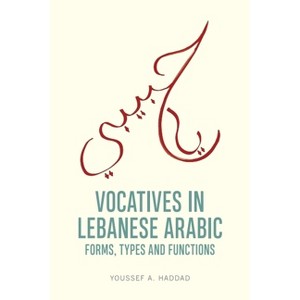
Vocatives in Lebanese Arabic - by Youssef A Haddad Hardcover
Pre-order
Sponsored
About this item
Highlights
- Analysing data from a variety of sources including movies, plays and talk shows, this book provides a detailed description of the forms and types of vocatives in Lebanese Arabic and offers an in-depth exploration of their social functions and pragmatic significance.
- Author(s): Youssef A Haddad
- 264 Pages
- Language + Art + Disciplines, Language Arts
Description
About the Book
What forms and types of vocatives are used in Lebanese Arabic and how are they employed as strategies for rapport (mis)management and relationship negotiation in social interaction?
Book Synopsis
Analysing data from a variety of sources including movies, plays and talk shows, this book provides a detailed description of the forms and types of vocatives in Lebanese Arabic and offers an in-depth exploration of their social functions and pragmatic significance. It underscores the significance of the use of attested data to the structural analyses of vocatives, as well as other linguistic elements and shows that a data-driven approach to structural analysis provides a more complete picture.
The book examines vocatives not just as markers of address but as tools for negotiating relationships and managing interpersonal dynamics. Part I categorizes vocatives by their linguistic forms--ranging from pronouns to complex phrases--and delineates their types, such as honorifics, kinship terms, and terms of abuse. Part II delves into the interpersonal pragmatics of vocatives, analysing how they shape social interactions, reinforce or challenge identities, and influence relational outcomes.
This approach to vocatives in Lebanese Arabic provides fascinating insight into how language reflects cultural norms and social hierarchies, contributing to the fields of Arabic linguistics, pragmatics, and sociolinguistics.
Review Quotes
This book presents a breathtakingly extensive investigation into the types and uses of Lebanese Arabic vocative constructions, which permeate Lebanese culture and communication. With analytic insightfulness and data sourced almost entirely from attested discourse, Haddad sets the bar very high for future work in this field.--Peter Hallman, Austrian Research Institute for Artificial Intelligence
Shipping details
Return details
Frequently bought together






Trending Non-Fiction






Discover more options