Sponsored
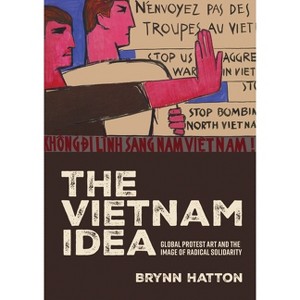
The Vietnam Idea - by Brynn Hatton Hardcover
Pre-order
Sponsored
About this item
Highlights
- The Vietnam idea examines how Vietnam became a potent symbol for global movements fighting colonialism, racism, and imperialism during the American War and its aftermath.
- About the Author: Brynn Hatton is Kindler Family Assistant Professor in Global Contemporary Art at Colgate University
- 248 Pages
- Art, History
Description
About the Book
The Vietnam Idea explores the visual politics of solidarity, and asks how global protest art made during the Vietnam-American War shaped--and complicated--transnational leftist identity and political imagination, both then and now.
Book Synopsis
The Vietnam idea examines how Vietnam became a potent symbol for global movements fighting colonialism, racism, and imperialism during the American War and its aftermath. Rather than focusing on Vietnam as a place, Brynn Hatton explores how artists and activists around the world used the idea of 'Vietnam' to express political identification and solidarity through posters, films, protest actions, exhibitions, and conceptual art. Drawing on international archives, the book reveals how diverse visual works helped shape the political imagination of the global left, and continue to influence how we see identity, conflict, and solidarity today.
From the Back Cover
What does it mean to stand in solidarity with a place you've never been? The Vietnam idea explores how, during and after the American War in Vietnam, artists, activists, and movements around the world reimagined Vietnam as a symbol of global and local resistance - transforming it into an idea more than a place. From posters and protest actions to conceptual art and underground film, this interdisciplinary study shows how Vietnam became a proxy through which global leftist struggles against colonialism, racism, and imperialism were visualised and made politically legible.
Traversing archives in Vietnam, Jordan, Australia, and beyond, Brynn Hatton uncovers how the image of Vietnam circulated in radical aesthetic projects, often generating powerful affective solidarities across geographic and political borders. It also produced unintended effects, as protest art often mirrored the very visual logics of empire it sought to dismantle. The Vietnam idea asks urgent questions about the politics of analogy, the limits of globalism, and the afterlives of revolutionary art.
About the Author
Brynn Hatton is Kindler Family Assistant Professor in Global Contemporary Art at Colgate University
Shipping details
Return details
Trending Non-Fiction



Discover more options