These original essays offer evidence that a growing number of Anglo-American philosophers are finding in the classical discussion of God's existence and nature fertile sources for the critical reflection on issues in the philosophy of religion.Nelson Pike challenges Aquinas' claim that God is not responsible for evil and shows how the rejection of this claim bears on the proem of evil.
About the Author: Alfred J. Freddoso is an American philosopher and Professor Emeritus of Philosophy and John and Jean Oesterle Professor Emeritus of Thomistic Studies at the University of Notre Dame.
200 Pages
Religion + Beliefs, Philosophy
Series Name: Notre Dame Studies in the Philosophy of Religion
Description
Book Synopsis
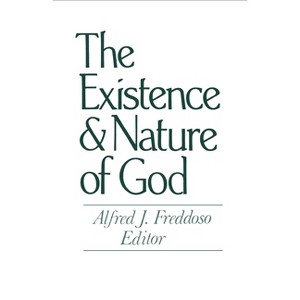
These original essays offer evidence that a growing number of Anglo-American philosophers are finding in the classical discussion of God's existence and nature fertile sources for the critical reflection on issues in the philosophy of religion.
Nelson Pike challenges Aquinas' claim that God is not responsible for evil and shows how the rejection of this claim bears on the proem of evil. Richard Swinburne defends the classical Christian understanding of heaven and hell, arguing that it is both philosophically plausible and compatible with the Christian conception of God's goodness. Philip Quinn proposes a defensible version of the classical assertion that God's conserving a creature in existence is tantamount to his continuously creating that creature.
Thomas Flint and Alfred Freddoso present an analysis of omnipotence which they claim to be both philosophically adequate and consonant with the orthodox Christian belief that God is both omnipotent and incapable of sinning. James Ross's main purpose is to dislodge the assumption that God's power is properly and adequately thought of as the power to cause (or bring about or actualize) states of affairs. Clement Dore reinterprets and defends Descartes' often maligned Fifth Meditation argument for God's existence. finally, Mark Jordan explicates the metaphysical foundations of Aquinas' doctrine of divine names.
Review Quotes
"Flint and Freddoso seek to provide a definition of omnipotence ab omni naevo vindicatus. In particular, they want a definition of omnipotence which is compatible with divine impeccability." --Faith and Philosophy
About the Author
Alfred J. Freddoso is an American philosopher and Professor Emeritus of Philosophy and John and Jean Oesterle Professor Emeritus of Thomistic Studies at the University of Notre Dame.
Dimensions (Overall): 8.5 Inches (H) x 5.5 Inches (W) x .63 Inches (D)
Weight: .89 Pounds
Suggested Age: 22 Years and Up
Number of Pages: 200
Genre: Religion + Beliefs
Sub-Genre: Philosophy
Series Title: Notre Dame Studies in the Philosophy of Religion
Publisher: University of Notre Dame Press
Format: Hardcover
Author: Alfred J Freddoso
Language: English
Street Date: August 31, 1983
TCIN: 1008774743
UPC: 9780268009106
Item Number (DPCI): 247-04-4985
Origin: Made in the USA or Imported
If the item details aren’t accurate or complete, we want to know about it.
Shipping details
Estimated ship dimensions: 0.63 inches length x 5.5 inches width x 8.5 inches height
Estimated ship weight: 0.89 pounds
We regret that this item cannot be shipped to PO Boxes.
This item cannot be shipped to the following locations: American Samoa (see also separate entry under AS), Guam (see also separate entry under GU), Northern Mariana Islands, Puerto Rico (see also separate entry under PR), United States Minor Outlying Islands, Virgin Islands, U.S., APO/FPO
Return details
This item can be returned to any Target store or Target.com.
This item must be returned within 90 days of the date it was purchased in store, shipped, delivered by a Shipt shopper, or made ready for pickup.