Sponsored

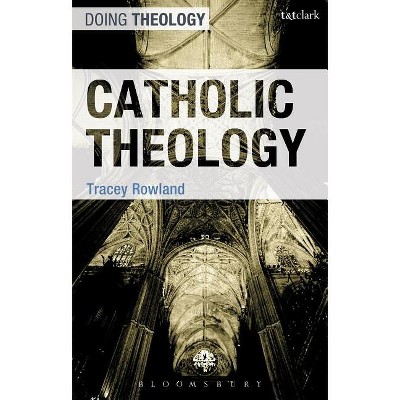
The Anglican Patrimony in Catholic Communion - by Tracey Rowland
In Stock
Sponsored
About this item
Highlights
- To celebrate the 10th anniversary of Anglicanorum Coetibus, Tracey Rowland gathers together leading voices to examine the issue of the Anglican Patrimony and its relevance for Christians today.
- About the Author: Professor Rowland holds the St John Paul II (Research) Chair of Theology at the University of Notre Dame (Australia).
- 240 Pages
- Religion + Beliefs, Theology
Description
About the Book
"Anglicanorum Coetibus was the Apostolic Constitution establishing the Anglican Ordinariate on the 4th November, 2009, so that members of the Church of England and other Anglican communities around the world could enter into full Communion with members of the Catholic Church while retaining their own liturgical Rites and other cultural elements of what is called the "Anglican Patrimony". The argument was that various elements of the patrimony were too precious to be lost by members of the Anglican community entering the Catholic Church on an individual basis. There was also an understanding that for a significant number of Anglicans the barrier to full communion with the Catholic Church was primarily cultural rather than primarily doctrinal. It was these 'cultural elements' which were thought to be worthy of preservation. To celebrate the 10th anniversary of Anglicanorum Coetibus Tracey Rowland gathers together the leading voices in the field to examine the issue of the Anglican Patrimony and its relevance for Christians today"--
Book Synopsis
To celebrate the 10th anniversary of Anglicanorum Coetibus, Tracey Rowland gathers together leading voices to examine the issue of the Anglican Patrimony and its relevance for Christians today. The Anglicanorum Coetibus is the 2009 papal decree which established the Anglican Ordinariate within the Catholic Church, and this volume examines the longstanding effects of this cultural decree. Rowland introduces different aspects of the culture of Anglicanism, explains the concept of an Ordinariate within the context of ecumenical theory, and examines aspects of Anglican liturgical theology and pastoral life.
Review Quotes
"The many experts who have contributed to this stimulating book amply demonstrate the richness of Pope Benedict XVI's purpose in promulgating "Anglicanorum Coetibus", not merely to provide a home from home for Anglicans crossing the Tiber, but even more fruitfully to bring back home "a treasure to be shared" by the entire Catholic Church." - Guy Nicholls, University of Oxford, UK
"Rowland has gathered up illustrious voices in a kind of hymn to the goodness of Anglican Patrimony in communion with the Holy See. Beautifully written, the book resonates with notes seeking a higher and more lovely faithfulness, grounded within that sacred homeliness of high Anglican worship and ordinary English piety." - Nigel Zimmermann, University of Notre Dame, Australia
"If you love the Catholic faith and have a hankering after English sensibilities, do yourself a favour and read this book. It is a highly creative compilation of investigations into what precisely is the English contribution to the faith via the Anglican patrimony. It is wide-ranging in examining the English cultural embodiment of Christianity from the time of Augustine's arrival on the shores of Kent, to the rupture with the Reformation, and the ensuing preservation of a Catholic heritage fully tinged by the English sense of life. You will be informed, educated, entertained (for yes, there is whimsy), and moved by a re-discovery of the elements of Catholic faith that have always subsisted in the Anglican experience, which has finally found fruition in Anglicanorem Coetibus." - Joseph Atkinson, John Paul II Institute, USA
About the Author
Professor Rowland holds the St John Paul II (Research) Chair of Theology at the University of Notre Dame (Australia). She is a member of the International Theological Commission and the author of 6 books and over 100 academic publications in the fields of theology and political philosophy.
Shipping details
Return details
Trending Non-Fiction