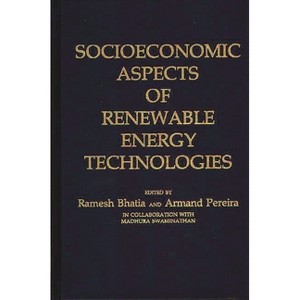
Major changes have occurred in both the composition of energy supply and the choice of technology, especially in activities in which energy intensity has a significant bearing on the costs and competitiveness of goods and services.
About the Author: RAMESH BHATIA is Professor of Economics at the Institute of Economic Growth, New Delhi, India.
232 Pages
Nature, Natural Resources
Description
About the Book
Major changes have occurred in both the composition of energy supply and the choice of technology, especially in activities in which energy intensity has a significant bearing on the costs and competitiveness of goods and services. Presented here, in the context of these changes, are case studies on the macroeconomic evaluation of ethylalcohol programs and the microeconomic evaluation of technologies for irrigation pumping. Environment and Resource Conservation
During the last decade, a large volume of literature has addressed the two major policy issues concerning energy programs in developing countries: overall energy conservation and provision of energy for rural development needs. Yet, many of these works have been supply-sided without adequate analysis of users' needs and the different option to meet them. Ex-post evaluations of existing field experiences with renewable technologies are still scarce, and many of those which have appeared provide limited insights for planning and implementation in different countries. Socioeconomic Aspects of Renewable Energy Technologies addresses these oversights. A selected number of technologies and topics concerning renewable energy sources for developing countries are discussed, including ethanol and the macro-economic evaluation of ethanol programs; various renewable energy technologies for end-use such was water-pumping for irrigation; and the micro-economic evaluation of these additional technologies.
Book Synopsis
Major changes have occurred in both the composition of energy supply and the choice of technology, especially in activities in which energy intensity has a significant bearing on the costs and competitiveness of goods and services. Presented here, in the context of these changes, are case studies on the macroeconomic evaluation of ethylalcohol programs and the microeconomic evaluation of technologies for irrigation pumping. Environment and Resource Conservation
During the last decade, a large volume of literature has addressed the two major policy issues concerning energy programs in developing countries: overall energy conservation and provision of energy for rural development needs. Yet, many of these works have been supply-sided without adequate analysis of users' needs and the different option to meet them. Ex-post evaluations of existing field experiences with renewable technologies are still scarce, and many of those which have appeared provide limited insights for planning and implementation in different countries. Socioeconomic Aspects of Renewable Energy Technologies addresses these oversights. A selected number of technologies and topics concerning renewable energy sources for developing countries are discussed, including ethanol and the macro-economic evaluation of ethanol programs; various renewable energy technologies for end-use such was water-pumping for irrigation; and the micro-economic evaluation of these additional technologies.
Review Quotes
?Major changes have occurred in both the composition of energy supply and the choice of technology, especially in activities in which energy intensity has a significant bearing on the costs and competitiveness of goods and services. Presented here, in the context of these changes, are case studies on the macroeconomic evaluation of ethylalcohol programs and the microeconomic evaluation of technologies for irrigation pumping.?-Environment and Resource Conservation
"Major changes have occurred in both the composition of energy supply and the choice of technology, especially in activities in which energy intensity has a significant bearing on the costs and competitiveness of goods and services. Presented here, in the context of these changes, are case studies on the macroeconomic evaluation of ethylalcohol programs and the microeconomic evaluation of technologies for irrigation pumping."-Environment and Resource Conservation
About the Author
RAMESH BHATIA is Professor of Economics at the Institute of Economic Growth, New Delhi, India.
ARMAND PEREIRA is an economist and official of the International Labour Office and Employment Branch, Geneva, Switzerland.
Dimensions (Overall): 9.66 Inches (H) x 6.26 Inches (W) x 1.01 Inches (D)
Weight: 1.25 Pounds
Suggested Age: 22 Years and Up
Number of Pages: 232
Genre: Nature
Sub-Genre: Natural Resources
Publisher: Praeger
Format: Hardcover
Author: Ramesh Bhatia & Armand Pereira
Language: English
Street Date: March 8, 1988
TCIN: 1007348940
UPC: 9780275928513
Item Number (DPCI): 247-52-0627
Origin: Made in the USA or Imported
If the item details aren’t accurate or complete, we want to know about it.
Shipping details
Estimated ship dimensions: 1.01 inches length x 6.26 inches width x 9.66 inches height
Estimated ship weight: 1.25 pounds
We regret that this item cannot be shipped to PO Boxes.
This item cannot be shipped to the following locations: American Samoa (see also separate entry under AS), Guam (see also separate entry under GU), Northern Mariana Islands, Puerto Rico (see also separate entry under PR), United States Minor Outlying Islands, Virgin Islands, U.S., APO/FPO
Return details
This item can be returned to any Target store or Target.com.
This item must be returned within 90 days of the date it was purchased in store, shipped, delivered by a Shipt shopper, or made ready for pickup.