Sponsored
In Stock
Sponsored
About this item
Highlights
- Pain and suffering, once associated with punishment for sin, became regarded as a purposeless evil that was hostile to human welfare.
- About the Author: E. M. PAPPER is Professor of Anesthesiology and Pharmacology at the University of Miami School of Medicine where he was Dean of the Faculty of Medicine until 1981.
- 176 Pages
- Health + Wellness, General
- Series Name: Contributions in Medical Studies
Description
About the Book
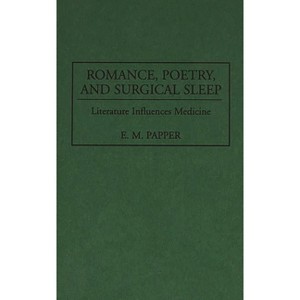
Pain and suffering, once associated with punishment for sin, became regarded as a purposeless evil that was hostile to human welfare. The works of Thomas Beddoes, Coleridge, and Shelley embody the change in attitude toward suffering and lay the groundwork for the general use of anesthesia in modern medicine. Papper contends that there was no real societal readiness to treat or prevent pain until the idea of the worth of the common man or woman was established by the upheaval of the French Revolution. The humanitarian concepts that we take for granted were relatively recent developments in Western society and were associated with the recognition of the importance of the individual.
Book Synopsis
Pain and suffering, once associated with punishment for sin, became regarded as a purposeless evil that was hostile to human welfare. The works of Thomas Beddoes, Coleridge, and Shelley embody the change in attitude toward suffering and lay the groundwork for the general use of anesthesia in modern medicine. Papper contends that there was no real societal readiness to treat or prevent pain until the idea of the worth of the common man or woman was established by the upheaval of the French Revolution. The humanitarian concepts that we take for granted were relatively recent developments in Western society and were associated with the recognition of the importance of the individual.
Review Quotes
.,."should have wide appeal to those who are interested in romantic literature, the history of medicine, 19th-century and early 20th-century poets, and the discovery of anesthesia. While the question, "What took so long?" may not be unique, it has not to my knowledge been critically examined. That it has now been studied by a scholar of English literature who also happens to be a world-renowned anesthesiologist is, indeed, unique, as well as an important contribution to our understanding of how Western civilization has come to view pain and the true significance of modern anesthesiology."-JAMA
?...should have wide appeal to those who are interested in romantic literature, the history of medicine, 19th-century and early 20th-century poets, and the discovery of anesthesia. While the question, "What took so long?" may not be unique, it has not to my knowledge been critically examined. That it has now been studied by a scholar of English literature who also happens to be a world-renowned anesthesiologist is, indeed, unique, as well as an important contribution to our understanding of how Western civilization has come to view pain and the true significance of modern anesthesiology.?-JAMA
..."should have wide appeal to those who are interested in romantic literature, the history of medicine, 19th-century and early 20th-century poets, and the discovery of anesthesia. While the question, "What took so long?" may not be unique, it has not to my knowledge been critically examined. That it has now been studied by a scholar of English literature who also happens to be a world-renowned anesthesiologist is, indeed, unique, as well as an important contribution to our understanding of how Western civilization has come to view pain and the true significance of modern anesthesiology."-JAMA
About the Author
E. M. PAPPER is Professor of Anesthesiology and Pharmacology at the University of Miami School of Medicine where he was Dean of the Faculty of Medicine until 1981. He is the author of hundreds of publications and is one of the legends of American anesthesiology.
Shipping details
Return details
Trending Non-Fiction