Sponsored
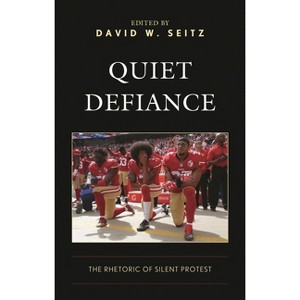
Quiet Defiance - (Bloomsbury Studies in Contemporary Rhetoric) by David W Seitz (Hardcover)
In Stock
Sponsored
About this item
Highlights
- Quiet Defiance: The Rhetoric of Silent Protest focuses on the rhetorical dimensions and power of silent protest.
- About the Author: David W. Seitz is associate professor of communication at Penn State Mont Alto.
- 410 Pages
- Social Science,
- Series Name: Bloomsbury Studies in Contemporary Rhetoric
Description
About the Book
This book focuses on the rhetorical dimensions, power, potentialities, and constraints of silent protest.
Book Synopsis
Quiet Defiance: The Rhetoric of Silent Protest focuses on the rhetorical dimensions and power of silent protest. Bridging the gap between the study of protest and the study of rhetorical silence (strategic silence meant to communicate to and influence an audience), this book is the first of its kind to concentrate solely on the phenomenon and tradition of silent protest. The contributors to this volume hail from different cultures, disciplines, and fields. They examine past and present-day cases of silent protest with different research questions and paradigmatic perspectives in mind and methodological approaches at hand. Collectively, however, their original chapters offer a rich, multifaceted understanding of the potentialities, limits, nature, effects, risks, and rewards of silent acts of protest-individual or otherwise-against oppressive, unjust regimes and systems of power.
Review Quotes
"Quiet Defiance: A Rhetoric Silent Protest is a thought-provoking collection, offering insight into forms of silent resistance that range from blank signs to prison strikes to nonvoting. Individual chapters offer fresh perspective on these and other cases. As a whole, the collection takes seriously and engages meaningfully with the scholarly traditions around each of its key terms, rhetoric, silence, and protest, and will be an invaluable resource for scholars interested in these areas." --Michelle Gibbons, University of New Hampshire
"These essays are both focused and far-reaching, suggesting new avenues for the study of both protest rhetoric and nonverbal/non-logocentric rhetoric. In a world with almost too many words, sometimes a lack of words can speak most powerfully ... Highly recommended [for] general readers through faculty; professionals." --CHOICE
About the Author
David W. Seitz is associate professor of communication at Penn State Mont Alto.
Shipping details
Return details
Frequently bought together



Trending Non-Fiction



Discover more options