Sponsored
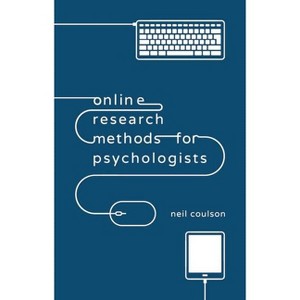
Online Research Methods for Psychologists - by Neil Coulson (Paperback)
In Stock
Sponsored
About this item
Highlights
- Featuring a wealth of examples and practical advice, this is the best possible resource for students conducting research online.
- About the Author: Dr Neil Coulson is Associate Professor of Health Psychology at the University of Nottingham, UK.
- 184 Pages
- Psychology, Research & Methodology
Description
Book Synopsis
Featuring a wealth of examples and practical advice, this is the best possible resource for students conducting research online. Bringing together key topics, this student-friendly textbook guides you through the design and execution of different online research methods.
From the Back Cover
Enabling instant communication with billions of users worldwide, the Internet has had
a profound impact on our lives. But how can we use this resource to undertake valuable
psychological research?
In this concise and user-friendly guide, Neil Coulson explores the most commonly used
online research methods. He carefully explains each approach and highlights potential
opportunities, challenges and ethical issues. Designed for students who want a resource to
help them excel in their studies, this textbook is the perfect aid for conducting psychological
research online.
Online Research Methods for Psychologists
- integrates the most commonly used online methods into one indispensable text;
- includes chapters on online interviews, focus groups, surveys, experiments and social media;
- contains insightful analysis of previous online studies.
About the Author
Dr Neil Coulson is Associate Professor of Health Psychology at the University of Nottingham, UK. He is an international expert in the role of online self-help and peer support communities and the role of the internet in supporting people with long-term conditions.
Dr Neil Coulson is Associate Professor of Health Psychology at the University of Nottingham, UK. He is an international expert in the role of online self-help and peer support communities and the role of the internet in supporting people with long-term conditions.
Shipping details
Return details
Frequently bought together



Trending Non-Fiction