Sponsored
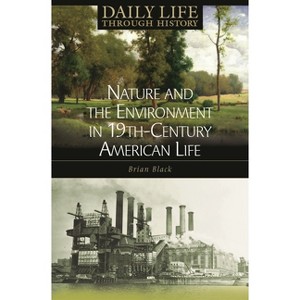
Nature and the Environment in Nineteenth-Century American Life - by Brian C Black Hardcover
In Stock
Sponsored
About this item
Highlights
- The nineteenth-century saw a significant transformation in the United States.
- About the Author: Brian Black is associate professor in the departments of history and environmental studies at Penn State University, Altoona.
- 264 Pages
- History, United States
Description
About the Book
The nineteenth-century saw a significant transformation in the United States. In one short century, the nation had seen the populating of the Great Plains and West, the decimation of native Indian tribes, the growth of national transportation and communication networks, and the rise of major cities. The century also witnessed the destruction of the nation's forests, battles over land and water, and the ascent of agribusiness. With these changes in resource use patterns and values came a concordant shift in attitudes toward nature. Conservation and preservation emerged as watchwords for the 1900s. The century that started with an attitude of environmental conquest thus ended by embracing conservation and a new environmental awareness.
- Western expansion and how the subsequent changes in the land impacted Native Americans and homesteaders
- Urbanization and industrialization and the change in the lives of city dwellers
- The disappearance of wildlife, such as the buffalo and the passenger pigeon
- The advent of a new concern about the environment, from writers such as Thoreau to new grassroots environmental organizations such as the Sierra Club
Nature and the Environment in Twentieth-Century America addresses a wide variety of the environmental issues that impacted the lives of people of all classes, races, and regions:
Part of the Daily Life through History series, this title joins Nature and the Environment in Twentieth-Century America in a new branch of the series-titles specifically looking at how nature and the environment impacted daily life.
Book Synopsis
The nineteenth-century saw a significant transformation in the United States. In one short century, the nation had seen the populating of the Great Plains and West, the decimation of native Indian tribes, the growth of national transportation and communication networks, and the rise of major cities. The century also witnessed the destruction of the nation's forests, battles over land and water, and the ascent of agribusiness. With these changes in resource use patterns and values came a concordant shift in attitudes toward nature. Conservation and preservation emerged as watchwords for the 1900s. The century that started with an attitude of environmental conquest thus ended by embracing conservation and a new environmental awareness.
Review Quotes
"Students looking for well-documented fact bites for research papers will find the book useful....The book begins and ends with a fascinating narrative on the trashing and subsequent restoration of Niagara Falls in the 19th century. Recommended. Public and general libraries, and reference collections serving lower-level undergraduates." --Choice
"Black considers changing ideas about nature and the environment in nineteenth-century America, beginning with colonial times. He discusses the influence of agriculture, technology, trade areas, nature writing, mining, farming, the environment during the Civil War, factories and industrialization, and conservation efforts toward the end of the century." --SciTech Book News
About the Author
Brian Black is associate professor in the departments of history and environmental studies at Penn State University, Altoona. He is the author of PETROLIA: The Landscape of America's First Oil Boom.
Shipping details
Return details
Trending Non-Fiction