Sponsored
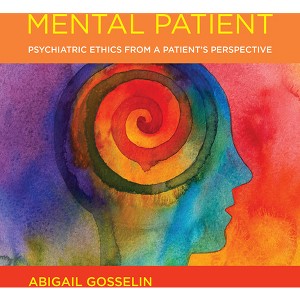
Mental Patient - (Basic Bioethics) by Abigail Gosselin (Paperback)
In Stock
Sponsored
About this item
Highlights
- A philosopher who has experienced psychosis argues that recovery requires regaining agency and autonomy within a therapeutic relationship based on mutual trust.
- About the Author: Abigail Gosselin is a Professor of Philosophy at Regis University in Denver, Colorado.
- 308 Pages
- Medical, Physician & Patient
- Series Name: Basic Bioethics
Description
About the Book
"A philosopher explains how it feels to undergo a psychotic break and what mental health professionals need to know to assist recovery"--
Book Synopsis
A philosopher who has experienced psychosis argues that recovery requires regaining agency and autonomy within a therapeutic relationship based on mutual trust.
In Mental Patient, philosopher Abigail Gosselin uses her personal experiences with psychosis and the process of recovery to explore often overlooked psychiatric ethics. For many people who struggle with psychosis, she argues, psychosis impairs agency and autonomy. She shows how clinicians can help psychiatric patients regain agency and autonomy through a positive therapeutic relationship characterized by mutual trust. Patients, she says, need to take an active role in regaining their agency and autonomy--specifically, by giving testimony, constructing a narrative of their experience to instill meaning, making choices about treatment, and deciding to show up and participate in life activities.
Gosselin examines how psychotic experience is medicalized and describes what it is like to be a patient receiving mental health care treatment. In addition to mutual trust, she says, a productive therapeutic relationship requires the clinician's empathetic understanding of the patient's experiences and perspective. She also explains why psychotic patients sometimes feel ambivalent about recovery and struggle to stay committed to it. The psychiatric ethics issues she examines include the development of epistemic agency and credibility, epistemic justice, the use of coercion, therapeutic alliance, the significance of choice, and the taking of responsibility. Mental Patient differs from straightforward memoirs of psychiatric illness in that it analyses philosophic issues related to psychosis and recovery, and it differs from other books on psychiatric ethics in that its analyses are drawn from the author's first-person experiences as a mental patient.
Review Quotes
"Abigail Gosselin's Mental Patient is a profound and interdisciplinary exploration of the lived experience of mental illness. It is not just a book about ethics or philosophy--it is a medical humanities text that bridges clinical psychiatry, philosophy, and ethics with personal lived experiences."
--Theoretical Medicine and Bioethics
"This is a remarkable book in many respects....a rich and thought-provoking catalogue of insights....readers will learn a great deal not only about [Gosselin's] case but will be able to extract lessons for other instances of psychosis and mental illness, more generally. I recommend it highly to philosophers and clinicians alike."
--Bioethics
About the Author
Abigail Gosselin is a Professor of Philosophy at Regis University in Denver, Colorado.