Sponsored
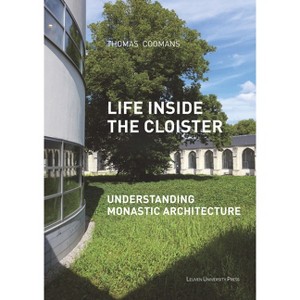
Life Inside the Cloister - (Kadoc-Studies on Religion, Culture and Society) by Thomas Coomans (Paperback)
In Stock
Sponsored
About this item
Highlights
- Sacredarchitecture as reality and metaphor in secularised Western societyChristian monasteriesand convents, built throughout Europe for the best part of 1,500 years, are nowat a crossroads.
- About the Author: Thomas Coomans is professor of architectural history and heritage conservation at the University of Leuven, Department of Architecture and Raymond Lemaire International Centre for Conservation.
- 171 Pages
- Architecture, Buildings
- Series Name: Kadoc-Studies on Religion, Culture and Society
Description
About the Book
The cloister is the focal point of this book because it is both architecture, a physically built reality, and a metaphor for the religious life that takes place within it. Life Inside the Cloisteralso addresses the afterlife and heritagisation of monastic architecture in secularised...
Book Synopsis
Sacredarchitecture as reality and metaphor in secularised Western society
Christian monasteriesand convents, built throughout Europe for the best part of 1,500 years, are nowat a crossroads. This study attempts to understand the sacred architecture ofmonasteries as a process of the tangible and symbolic organisation of space andtime for religious communities. Despite the weight of seemingly immutablemonastic tradition, architecture has contributed to developing specificreligious identities and played a fundamental part in the reformation ofdifferent forms of religious life according to the changing needs of society.The cloister is the focal point of this book because it is both architecture, aphysically built reality, and a metaphor for the religious life that takesplace within it. Life Inside the Cloisteralso addresses the afterlife and heritagisation of monastic architecture insecularised Western society.Review Quotes
"This is an authoritative historical review of monastic architecture which could be recommended for use in undergraduate and taught postgraduate teaching. The text is written to a high scholarly standard, and adopts a clear and logical line throughout. It is up to date both in terms of current questions about the future of these buildings and also in terms of its consideration of published scholarship about them. From the point of view of a basic textbook, it is clear, thorough, and comprehensive."
--Dr. Timothy Brittain-Catlin, University of KentAbout the Author
Thomas Coomans is professor of architectural history and heritage conservation at the University of Leuven, Department of Architecture and Raymond Lemaire International Centre for Conservation.
Shipping details
Return details
Trending Non-Fiction