Sponsored
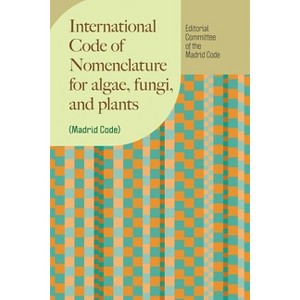
International Code of Nomenclature for Algae, Fungi, and Plants Madrid Code - Regnum Vegetabile 18th Edition
In Stock
Sponsored
About this item
Highlights
- The latest, updated edition of the essential, authoritative reference for botanical, mycological, and phycological names.
- About the Author: The Nomenclature Section of the International Botanical Congress meets every six years to examine and revise the internationally agreed rules that regulate the scientific naming of algae, fungi, and plants.
- 288 Pages
- Science, Life Sciences
- Series Name: Regnum Vegetabile
Description
Book Synopsis
The latest, updated edition of the essential, authoritative reference for botanical, mycological, and phycological names.
The International Code of Nomenclature for algae, fungi, and plants, known as "the Code," is the set of internationally agreed rules and recommendations that govern the naming of these organisms. Scientific naming has deep historical roots. Indeed, the system of naming organisms is one of the first truly global scientific standards. This essential reference originates in Alphonse de Candolle's 1867 Lois de la nomenclature botanique. This 2025 edition of the Code, the Madrid Code, reflects the decisions made at the Twentieth International Botanical Congress, which met in Madrid, Spain, in July 2024. The congress debated 447 proposals to amend the Code and accepted important new rules, including a mechanism for voluntary registration of plant and algal names, clarifications for naming fossil taxa, the option to reject a new name if it is derogatory to a group of people, and the replacement of an epithet that was considered particularly offensive (revising to afra, afrorum, and afrum).
About the Author
The Nomenclature Section of the International Botanical Congress meets every six years to examine and revise the internationally agreed rules that regulate the scientific naming of algae, fungi, and plants. It is under the aegis of the International Association of Botanical and Mycological Societies, which is composed of international organizations with interests in botany, mycology, phycology, and related fields.
Shipping details
Return details
Trending Non-Fiction


Discover more options