Sponsored
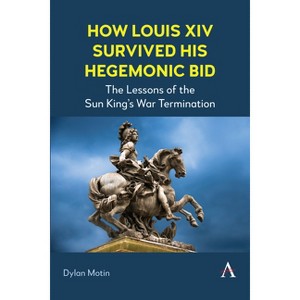
How Louis XIV Survived His Hegemonic Bid - by Dylan Motin (Paperback)
In Stock
Sponsored
About this item
Highlights
- The international relations field grew around stories of great powers vying for hegemony and ultimately failing.
- About the Author: Dylan Motin is a visiting scholar at the Seoul National University Asia Center and a Non-resident Kelly Fellow at the Pacific Forum.
- 72 Pages
- Political Science, History & Theory
Description
About the Book
This book explains how Louis XIV survived his bid for European hegemony unscathed while other aspiring hegemons in modern history suffered catastrophic defeats. It argues that Louis employed a powerful coalition-breaking strategy unique to him and lays out the implications of Louis XIV's unique case for today's security competitions.
Book Synopsis
The international relations field grew around stories of great powers vying for hegemony and ultimately failing. However, France's Louis XIV stands out among modern aspiring hegemons as the only one to leave his country intact, even larger than he found it. This book argues that Louis XIV's war-ending strategy explains this outlying case. Like other potential hegemons, Louis fought general wars he failed to win decisively. But Louis would often negotiate peace from a position of strength while other aspiring hegemons generally fought to the finish, thus solidifying uncompromising balancing coalitions. This eagerness to pursue peace from a strong position mollified opposing coalitions and allowed France to extract some gains, however limited. First, the work presents Louis's strategy of major wartime concessions from a position of strength. Second, it shows how he used this strategy to exit his three general wars. Third, it describes his foreign policy background and beliefs to unpack the origins of this war-ending strategy. Fourth, the book compares France with other hegemonic pretenders to control for possible explanations and shows that Louis's strategy was unique. Finally, it discusses in turn the research's implications for the international security field and U.S. decision-makers concerned by the possibility of war with China and Russia. Hence, this book matters to policymakers, international relations theorists, and historians of modern Europe.
About the Author
Dylan Motin is a visiting scholar at the Seoul National University Asia Center and a Non-resident Kelly Fellow at the Pacific Forum.
Shipping details
Return details
Frequently bought together


Trending Non-Fiction



Discover more options