Sponsored
Pre-order
Sponsored
About this item
Highlights
- Formatosi nella Firenze della bottega di Giambologna e Pietro Francavilla, Francesco Bordoni (1574-1654), fu attivo tra la Toscana dei Medici e la Francia dei Borbone, dove divenne primo scultore di Luigi XIII.
- About the Author: Giulia Cicali, art historian specializing in early modern art, is a researcher at the École Pratique des Hautes Études (PSL), Paris.
- 440 Pages
- Art, History
- Series Name: European Identities and Transcultural Exchange
Description
Book Synopsis
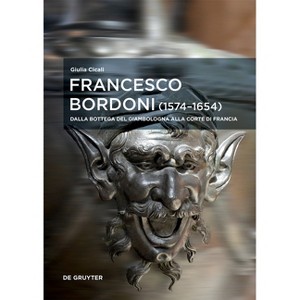
Formatosi nella Firenze della bottega di Giambologna e Pietro Francavilla, Francesco Bordoni (1574-1654), fu attivo tra la Toscana dei Medici e la Francia dei Borbone, dove divenne primo scultore di Luigi XIII. Figura chiave della mobilità artistica nell'Europa moderna, lavorò a imprese artistiche di primaria importanza, dal monumento equestre del Pont-Neuf, all'arredo scultoreo dei giardini palatini di Fontainebleau e Saint-Germain-en-Laye, fino alla Cappella della Trinità di Fontainebleau. Grazie a questo studio se ne distinguono con contorni chiari il ruolo nei cantieri dei suoi grandi mecenati, la collaborazione con maestri francesi e italiani- come gli ingegneri Francini- e la sua attività di commercio di marmi e opere dall'Italia. Il libro apre nuove prospettive non solo sul percorso artistico di Bordoni, ma anche sul più ampio piano delle pratiche, delle reti di rapporti (i résaux) e dei committenti, nonché sull'evoluzione dello status degli artisti fra Cinque e Seicento.
Trained in Giambologna's Florence, Francesco Bordoni (1574-1654) was active between Medicean Tuscany and France, where he became first sculptor to the Bourbon dynasty. He worked on major royal commissions - from the equestrian monument on the Pont-Neuf to the sculpture in the gardens at Fontainebleau and Saint-Germain-en-Laye - and imported marble and artworks from Italy. This book reconstructs his career, exploring the changing status of artists, his role in royal building sites, and collaborations with French and Italian masters, including the Francini engineers. Through archival research and critical readings of works and context, the study opens new perspectives not only on Bordoni - a key figure in early modern artistic mobility - but also on artistic practices, networks, and patrons connecting Florence and Paris.
- A central figure in artistic exchange in the Early Modern period
- An artist who epitomizes the excellence fostered by the Medici court
About the Author
Giulia Cicali, art historian specializing in early modern art, is a researcher at the École Pratique des Hautes Études (PSL), Paris. Her work focuses primarily on the circulation of skills and artworks between Italy and France, with particular attention paid to the mobility of Italian artists at the French court, the representation of power, and sculpture in urban public space and palatial gardens between the 16th and 18th centuries.
Shipping details
Return details
Trending Non-Fiction