Sponsored
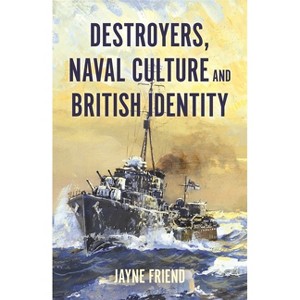
Destroyers, Naval Culture and British Identity - by Jayne Friend Hardcover
Pre-order
Sponsored
About this item
Highlights
- An overview of what destroyers were and how their capacity for heroic deeds captured the popular imagination.
- About the Author: After working in the creative arts and heritage industries, Jayne Friend completed her doctorate at the University of Portsmouth.
- 272 Pages
- History, Military
Description
Book Synopsis
An overview of what destroyers were and how their capacity for heroic deeds captured the popular imagination.
Destroyers, first developed over the course of the late 1880s and 1890s, were fast, manoeuverable warships intended to escort larger vessels and defend them against a wide range of threats. In Britain their speed, nimbleness and capacity for heroic deeds captured the popular imagination, and they became symbolic vessels, encapsulating the fortitude and ingenuity which contemporaries felt characterised the British navy. Based on extensive original research, this book provides both an overview of destroyers' operational roles and how these developed over time and also a detailed examination of destroyers' place within British culture, society and identity. Considering a wide range of sources including news reporting, pageantry, literature, film, art and more, the book reveals how the destroyer as symbol was used as propaganda, fitted in to popular, civic and artistic cultures and affected naval policy, British people's morale and outlook, and international views of Britain's naval power. One striking example of the depth of British people's attachment to destroyers was the scheme during the Second World War for individual towns to each adopt their own destroyer, a scheme which achieved astonishing success, with many small towns raising huge sums sufficient to fund entirely the building of their own destroyer.
About the Author
After working in the creative arts and heritage industries, Jayne Friend completed her doctorate at the University of Portsmouth.
Shipping details
Return details
Frequently bought together






Trending Non-Fiction





Discover more options