Target New ArrivalsGift Ideas for MomClothing, Shoes & AccessoriesHomeKitchen & DiningOutdoor Living & GardenFurnitureGroceryHousehold EssentialsBabyBeautyPersonal CareHealthWellnessLuggageSports & OutdoorsToysElectronicsVideo GamesMovies, Music & BooksSchool & Office SuppliesParty SuppliesGift IdeasGift CardsPetsUlta Beauty at TargetTarget OpticalDealsClearanceTarget New ArrivalsSpring OutfitsGift Ideas for MomWomen’s Festival OutfitsTop DealsTarget Circle DealsWeekly AdShop Order PickupShop Same Day DeliveryRegistryRedCardTarget CircleFind Stores
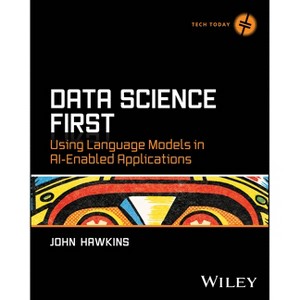
Data Science First - by  John Hawkins (Paperback) - 1 of 1

Data Science First - by John Hawkins (Paperback)

$60.00

In Stock

Eligible for registries and wish lists

About this item

Highlights

  • Proven, practical techniques for integrating language models into your data science workflows Data Science First: Using Language Models in AI-Enabled Applications, by Intersect AI's Chief AI Officer John Hawkins, explains how practicing data scientists can integrate language models in data science workflows without abandoning essential principles of reliability, accuracy, and efficacy.
  • About the Author: JOHN HAWKINS is the Chief AI Officer at Intersect AI, an organization that builds bespoke AI solutions to solve real workplace problems for companies in industries like insurance, media and healthcare.
  • 368 Pages
  • Computers + Internet, Intelligence (AI) & Semantics

Description


Book Synopsis


Proven, practical techniques for integrating language models into your data science workflows

Data Science First: Using Language Models in AI-Enabled Applications, by Intersect AI's Chief AI Officer John Hawkins, explains how practicing data scientists can integrate language models in data science workflows without abandoning essential principles of reliability, accuracy, and efficacy. Hawkins offers crystal-clear guidance on when, where, and how data scientists can integrate language models into their existing workflows without exposing themselves or their companies to unnecessary risks.

This guide walks you through strategic design patterns for incorporating language models into real-world data science projects. It avoids strategies and techniques that rely heavily on proprietary tools that are likely to evolve very quickly (or could disappear entirely) in the near future. Instead, the author presents foundational methodologies that will remain valuable regardless of how individual platforms or services change. The book combines sound theory with practical case studies that cover common data science projects in the education, insurance, telecommunications, media and banking industries. Including customer churn analysis, customer complaint routing and document processing, demonstrating how language models can enhance rather than replace traditional data science methods.

You'll find:

  • Three chapters providing a solid grounding in the ideas, principles and technologies that are used for data science with language models
  • Nine chapters that discuss specific patterns for integrating language models into data science workflows, including semantic vector analysis, few-shot prompting, retrieval-based applications, synthetic data generation and AI agent development
  • Real-world case studies discussing applications like fraud detection, customer churn, translation, document classification and sentiment analysis, with concrete business applications
  • Comprehensive evaluation methods and testing frameworks are discussed in the context of language model applications in enterprise environments
  • Practical code examples and implementation guidance using popular tools like HuggingFace, OpenAI, Google Gemini, as well as more development frameworks like LangChain, and PydanticAI
  • Strategic insights for balancing model accuracy, interpretability, and business requirements while avoiding common pitfalls in AI deployment

An authoritative resource for data scientists and software engineers interested in using modern AI tools to build data-driven applications, Data Science First is a strategy guide for professionals navigating the discipline of data science as it is disrupted by generative AI. Whether you're looking to improve existing workflows or develop entirely new AI-powered solutions, you'll discover how to use language models in ways that consistently add value.


From the Back Cover


A detailed, up-to-date walkthrough for implementing language models in data science applications

In Data Science First: Using Language Models in AI-Enabled Applications, the Chief AI Officer at Intersect AI, John Hawkins, sets out the critical challenge facing data scientists today: how to effectively integrate powerful language models into their workflows while adhering to data science principles that ensures your data generates reliable conclusions. Hawkins provides a practical roadmap for leveraging these revolutionary tools while maintaining the analytical rigor that separates successful implementations from costly failures.

This guide skips hype and jargon, focusing instead on nine proven strategies for applying language models in real-world data science projects. From exploiting semantic vectors and few-shot prompting to synthetic data generation and developing agentic AI applications, Data Science First presents concrete design patterns that remain relevant despite rapidly evolving technologies. Each approach is illustrated with detailed case studies, including complaint processing and resume filtering, demonstrating how to evaluate model performance, handle failure modes, and deliver measurable business value.

Data Science First is perfect for data scientists interested in enhancing their traditional statistical and machine learning skills with modern AI capabilities. It's also a must-read for software engineers building language model-powered products and technical managers interested in deploying these tools reliably.


About the Author


JOHN HAWKINS is the Chief AI Officer at Intersect AI, an organization that builds bespoke AI solutions to solve real workplace problems for companies in industries like insurance, media and healthcare. He leads the company's data science initiatives, working with clients directly to analyze their workflow processes and design people centred AI systems.

Dimensions (Overall): 9.14 Inches (H) x 7.33 Inches (W) x .8 Inches (D)
Weight: 1.55 Pounds
Suggested Age: 22 Years and Up
Number of Pages: 368
Genre: Computers + Internet
Sub-Genre: Intelligence (AI) & Semantics
Publisher: Wiley
Format: Paperback
Author: John Hawkins
Language: English
Street Date: April 7, 2026
TCIN: 1007843551
UPC: 9781394390472
Item Number (DPCI): 247-41-6190
Origin: Made in the USA or Imported
If the item details aren’t accurate or complete, we want to know about it.

Shipping details

Estimated ship dimensions: 0.8 inches length x 7.33 inches width x 9.14 inches height
Estimated ship weight: 1.55 pounds
We regret that this item cannot be shipped to PO Boxes.
This item cannot be shipped to the following locations: American Samoa (see also separate entry under AS), Guam (see also separate entry under GU), Northern Mariana Islands, Puerto Rico (see also separate entry under PR), United States Minor Outlying Islands, Virgin Islands, U.S., APO/FPO, Alaska, Hawaii

Return details

This item can be returned to any Target store or Target.com.
This item must be returned within 90 days of the date it was purchased in store, delivered to the guest, delivered by a Shipt shopper, or picked up by the guest.
See the return policy for complete information.

Q: How does the author approach language model integration?

submitted by AI Shopping Assistant - 22 days ago
  • A: The author offers strategic insights and proven methodologies for integrating language models while maintaining data science principles.

    submitted byAI Shopping Assistant - 22 days ago
    Ai generated

Q: What industry problems does this book address?

submitted by AI Shopping Assistant - 22 days ago
  • A: It addresses challenges in industries like insurance, media, and healthcare, focusing on real-world data science solutions.

    submitted byAI Shopping Assistant - 22 days ago
    Ai generated

Q: What topics are covered in the book's chapters?

submitted by AI Shopping Assistant - 22 days ago
  • A: The book includes chapters on integrating language models, design patterns, and real-world case studies in data science.

    submitted byAI Shopping Assistant - 22 days ago
    Ai generated

Q: Who is the target audience for this book?

submitted by AI Shopping Assistant - 22 days ago
  • A: The book is aimed at data scientists, software engineers, and technical managers interested in AI applications.

    submitted byAI Shopping Assistant - 22 days ago
    Ai generated

Q: What practical applications are discussed in the book?

submitted by AI Shopping Assistant - 22 days ago
  • A: Applications include customer churn analysis, fraud detection, and document processing, among others.

    submitted byAI Shopping Assistant - 22 days ago
    Ai generated

Additional product information and recommendations

Get top deals, latest trends, and more.

Privacy policy

Footer

About Us

About TargetCareersNews & BlogTarget BrandsBullseye ShopSustainability & GovernancePress CenterAdvertise with UsInvestorsAffiliates & PartnersSuppliersTargetPlus

Help

Target HelpReturnsTrack OrdersRecallsContact UsFeedbackAccessibilitySecurity & FraudTeam Member ServicesLegal & Privacy

Stores

Find a StoreClinicPharmacyTarget OpticalMore In-Store Services

Services

Target Circle™Target Circle™ CardTarget Circle 360™Target AppRegistrySame Day DeliveryOrder PickupDrive UpFree 2-Day ShippingShipping & DeliveryMore Services
PinterestFacebookInstagramXYoutubeTiktokTermsCA Supply ChainPrivacy PolicyCA Privacy RightsYour Privacy ChoicesInterest Based AdsHealth Privacy Policy