Sponsored
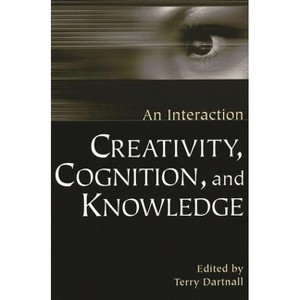
Creativity, Cognition, and Knowledge - by Terry Dartnall (Paperback)
In Stock
Sponsored
About this item
Highlights
- This collection weitten by leading figures in cognitive science includes their lively debates with Dartnall about his call for a new epistemology, an alternative to the standard representational story in cognitive science.
- About the Author: TERRY DARTNALL is Senior lecturer in Computing and Information Technology at Australia's Griffith University in Nathan, Queensland.
- 352 Pages
- Psychology, Cognitive Psychology & Cognition
Description
About the Book
This collection weitten by leading figures in cognitive science includes their lively debates with Dartnall about his call for a new epistemology, an alternative to the standard representational story in cognitive science. Dartnall aims to show that new epistemology is already with us in some leading-edge models of human creativity. Such an epistemology steers a middle road between the representationism of classical cognitive science and a radical anti-representationism that denies the existence or importance of representations.
Dartnall, who debates contributors at each chapter's end, believes that creativity inheres--not only in big ticket items such as plays, poems, or sonatas--but in our ability to produce cognitive content at all, so that representations are the creative products of our knowledge, rather than its passive carriers.
Book Synopsis
This collection weitten by leading figures in cognitive science includes their lively debates with Dartnall about his call for a new epistemology, an alternative to the standard representational story in cognitive science. Dartnall aims to show that new epistemology is already with us in some leading-edge models of human creativity. Such an epistemology steers a middle road between the representationism of classical cognitive science and a radical anti-representationism that denies the existence or importance of representations.
Dartnall, who debates contributors at each chapter's end, believes that creativity inheres--not only in big ticket items such as plays, poems, or sonatas--but in our ability to produce cognitive content at all, so that representations are the creative products of our knowledge, rather than its passive carriers.
About the Author
TERRY DARTNALL is Senior lecturer in Computing and Information Technology at Australia's Griffith University in Nathan, Queensland.
Shipping details
Return details
Trending Non-Fiction



Discover more options