Sponsored
Pre-order
Sponsored
About this item
Highlights
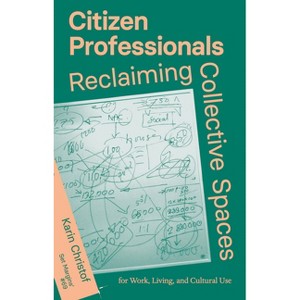
- A practical reference, informed by successful cases enacted worldwide, for citizens committed to shaping the socio-spatial terrain of their communitiesIn recent decades, citizens active in urban governance have taken up their roles as autonomous subjects, negotiating with governmental actors on the reuse of vacant buildings while representing the wishes of fellow residents to create self-managed communal spaces that are open to neighborhood residents.
- Author(s): Karin Christof
- 296 Pages
- Social Science, Essays
Description
Book Synopsis
A practical reference, informed by successful cases enacted worldwide, for citizens committed to shaping the socio-spatial terrain of their communities
In recent decades, citizens active in urban governance have taken up their roles as autonomous subjects, negotiating with governmental actors on the reuse of vacant buildings while representing the wishes of fellow residents to create self-managed communal spaces that are open to neighborhood residents. They have appropriated vacant properties--and, where possible, constructed new buildings--in line with their own interests as well as those of civic groups and the common good. They work to create affordable working, living, cultural and community places in an increasingly commercialized urban environment. In this publication, these civic actors are referred to as citizen professionals (CPs). Author Karin Christof details how CPs can operate and empower themselves in this process of collective urban planning--from learning to collaborate to becoming intermediaries between existing powers and the populace.
Karin Christof is an urban researcher and curator who has worked in visual arts and architecture since 2000.
Shipping details
Return details
Frequently bought together

Trending Non-Fiction





Discover more options