Sponsored
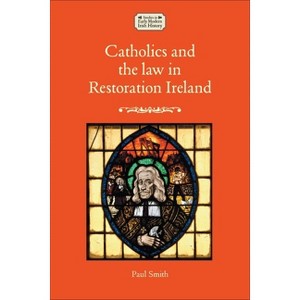
Catholics and the Law in Restoration Ireland - (Studies in Early Modern Irish History) by Paul Smith (Hardcover)
In Stock
Sponsored
About this item
Highlights
- In Restoration Ireland the law primarily served the interests of the English state and the Anglo-Protestant community.
- About the Author: Paul Smith studies law and the legal profession in Early Modern Ireland
- 248 Pages
- History, Europe
- Series Name: Studies in Early Modern Irish History
Description
About the Book
In Restoration Ireland the law primarily served the interests of the English state and the Anglo-Protestant community. This book is the first to explore how Irish Catholics experienced a legal system which was inimical to their interests. It does so through case studies based on a wide range of little used archival sources and Gaelic poetry.
Book Synopsis
In Restoration Ireland the law primarily served the interests of the English state and the Anglo-Protestant community. This book is the first to explore how Irish Catholics experienced a legal system which was inimical to their interests. It does so through case studies based on a wide range of little used archival sources and Gaelic poetry.
From the Back Cover
In Restoration Ireland the law primarily served the interests of the English state and the Anglo-Protestant community, oppressing the majority Catholic population. Catholics and the law in Restoration Ireland examines how Catholics engaged with and experienced English common law primarily through the accounts of Catholic clerics and Gaelic poets.
Analysing the letters of Oliver Plunkett and John Brenan, this book demonstrates the initial success and ultimate failure of their non-confrontational approach to legal and political processes. In contrast, the challenging stances of clerics Nicholas French and John Lynch offer a new perspective on the wide variety of clerical engagement with the law. Drawing on the considerable corpus of primary sources, the book examines the often overlooked Irish-language literary material, considering the work of Dáibhí Ó Bruadair and his contemporaries to show how Gaelic Ireland deeply resented a hostile legal environment. It also explores Catholic landed families who recovered their estates in the 1663 Court of Claims, highlighting their varied strategies amid Protestant hostility and further illustrating how some Catholic lawyers managed to survive and even prosper during this period.
This book provides a comprehensive examination of the many ways in which Irish Catholics experienced a legal system that proved fundamentally inimical to their interests.
About the Author
Paul Smith studies law and the legal profession in Early Modern Ireland
Shipping details
Return details
Frequently bought together


Trending Non-Fiction






Discover more options