Sponsored
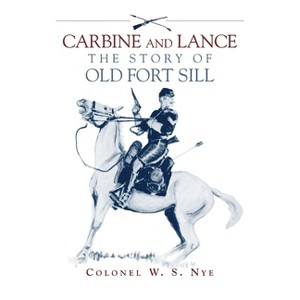
Carbine & Lance - by Wilbur Sturtevant Nye Paperback
In Stock
Sponsored
About this item
Highlights
- Fort Sill, located in the heart of the old Kiowa-Comanche Indian country in southwestern Oklahoma, is known to a modern generation as the Field Artillery School of the United States Army.
- Author(s): Wilbur Sturtevant Nye
- 464 Pages
- History, United States
Description
About the Book
From extensive research, conversations with both Indian and white eye witnesses, and his familiarity with Indian life and army affairs, Captain Nye has written an unforgettable account of these stirring time. The delineation of character and the reconstruction of colorful scenes, so often absent in historical writing, are to be found here in abundance. His Indians are made to live again: his scenes of post life could have been written only by an army man.
Book Synopsis
Fort Sill, located in the heart of the old Kiowa-Comanche Indian country in southwestern Oklahoma, is known to a modern generation as the Field Artillery School of the United States Army. To students of American frontier history, it is known as the focal point of one of the most interesting, dramatic, and sustained series of conflicts in the records of western warfare.
From 1833 to 1875, in a theater of action extending from Kansas to Mexico, the strife was almost uninterrupted. The U.S. Army, Kansas militia, Texas Rangers, and white pioneers and traders were arrayed against the fierce and heroic bands of the Kiowas, Comanches, Cheyennes, Arapahoes, and Kiowa-Apaches.
The savage skirmishes with the southwestern Indians before the Civil War provided many army officers with a kind of training that proved indispensable to them in that later, prolonged conflict. When hostilities ceased, Sherman, Sheridan, Dodge, Custer, Grierson, and other commanders again resumed the harsh field of guerrilla warfare against their Indian foes--tough, hard fighters.
With the inauguration of the so-called Quaker Peace Policy during President Grant's first administration, the hands of the army were tied. The Fort Sill reservation became a place of refuge for the marauding bands that went forth unmolested to raid in Texas, Oklahoma, and Mexico. The toll in human life reached such proportions that the government finally turned the southwestern Indians over to the army for discipline, and a permanent settlement of the bands was achieved by 1875.
From extensive research, conversations with both Indian and white eyewitnesses, and his familiarity with Indian life and army affairs, Captain Nye has written an unforgettable account of these stirring times. The delineation of character and the reconstruction of colorful scenes, so often absent in historical writing, are to be found here in abundance. His Indians are made to live again: his scenes of post life could have been written only by an army man.
Review Quotes
"Fort Sill, established by Sheridan in 1869 . . . was the focal point of all Indian warfare on the southern plains, warfare which was fast, furious, heroic and romantic . . . Colonel Nye gleaned his materials from old army files, from the few printed sources, and by word of mouth from Indians who had figured in the events he records."--Christian Science Monitor
Shipping details
Return details
Frequently bought together






Trending Non-Fiction






Discover more options