At a time when the methods and purposes of intelligence agencies are under a great deal of scrutiny, author Wesley Britton offers an unprecedented look at their fictional counterparts.
About the Author: Wesley Britton is the author of Spy Television (Praeger, 2004), the first book-length study of espionage television series.
300 Pages
Social Science, Popular Culture
Description
About the Book
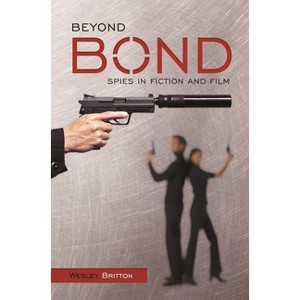
At a time when the methods and purposes of intelligence agencies are under a great deal of scrutiny, author Wesley Britton offers an unprecedented look at their fictional counterparts. In Beyond Bond: Spies in Film and Fiction, Britton traces the history of espionage in literature, film, and other media, demonstrating how the spy stories of the 1840s began cementing our popular conceptions of what spies do and how they do it. Considering sources from Graham Greene to Ian Fleming, Alfred Hitchcock to Tom Clancy, Beyond Bond looks at the tales that have intrigued readers and viewers over the decades. Included here are the propaganda films of World War II, the James Bond phenomenon, anti-communist spies of the Cold War era, and military espionage in the eighties and nineties. No previous book has considered this subject with such breadth, and Britton intertwines reality and fantasy in ways that illuminate both. He reveals how most themes and devices in the genre were established in the first years of the twentieth century, and also how they have been used quite differently from decade to decade, depending on the political concerns of the time. In all, Beyond Bond offers a timely and penetrating look at an intriguing world of fiction, one that sometimes, and in ever-fascinating ways, can seem all too real.
At a time when the methods and purposes of intelligence agencies are under a great deal of scrutiny, author Wesley Britton offers an unprecedented look at their fictional counterparts. In Beyond Bond: Spies in Film and Fiction, Britton traces the history of espionage in literature, film, and other media, demonstrating how the spy stories of the 1840s began cementing our popular conceptions of what spies do and how they do it. Considering sources from Graham Greene to Ian Fleming, Alfred Hitchcock to Tom Clancy, Beyond Bond looks at the tales that have intrigued readers and viewers over the decades. Included here are the propaganda films of World War II, the James Bond phenomenon, anti-communist spies of the Cold War era, and military espionage in the eighties and nineties. No previous book has considered this subject with such breadth, and Britton intertwines reality and fantasy in ways that illuminate both.
He reveals how most themes and devices in the genre were established in the first years of the twentieth century, and also how they have been used quite differently from decade to decade, depending on the political concerns of the time. And he delves into such aspects of the genre as gadgetry, technology, and sexuality-aspects that have changed with the times as much as the politics have. In all, Beyond Bond offers a timely and penetrating look at an intriguing world of fiction, one that sometimes, and in ever-fascinating ways, can seem all too real.
Book Synopsis
At a time when the methods and purposes of intelligence agencies are under a great deal of scrutiny, author Wesley Britton offers an unprecedented look at their fictional counterparts. In Beyond Bond: Spies in Film and Fiction, Britton traces the history of espionage in literature, film, and other media, demonstrating how the spy stories of the 1840s began cementing our popular conceptions of what spies do and how they do it. Considering sources from Graham Greene to Ian Fleming, Alfred Hitchcock to Tom Clancy, Beyond Bond looks at the tales that have intrigued readers and viewers over the decades. Included here are the propaganda films of World War II, the James Bond phenomenon, anti-communist spies of the Cold War era, and military espionage in the eighties and nineties. No previous book has considered this subject with such breadth, and Britton intertwines reality and fantasy in ways that illuminate both. He reveals how most themes and devices in the genre were established in the first years of the twentieth century, and also how they have been used quite differently from decade to decade, depending on the political concerns of the time. In all, Beyond Bond offers a timely and penetrating look at an intriguing world of fiction, one that sometimes, and in ever-fascinating ways, can seem all too real.
At a time when the methods and purposes of intelligence agencies are under a great deal of scrutiny, author Wesley Britton offers an unprecedented look at their fictional counterparts. In Beyond Bond: Spies in Film and Fiction, Britton traces the history of espionage in literature, film, and other media, demonstrating how the spy stories of the 1840s began cementing our popular conceptions of what spies do and how they do it. Considering sources from Graham Greene to Ian Fleming, Alfred Hitchcock to Tom Clancy, Beyond Bond looks at the tales that have intrigued readers and viewers over the decades. Included here are the propaganda films of World War II, the James Bond phenomenon, anti-communist spies of the Cold War era, and military espionage in the eighties and nineties. No previous book has considered this subject with such breadth, and Britton intertwines reality and fantasy in ways that illuminate both.
He reveals how most themes and devices in the genre were established in the first years of the twentieth century, and also how they have been used quite differently from decade to decade, depending on the political concerns of the time. And he delves into such aspects of the genre as gadgetry, technology, and sexuality-aspects that have changed with the times as much as the politics have. In all, Beyond Bond offers a timely and penetrating look at an intriguing world of fiction, one that sometimes, and in ever-fascinating ways, can seem all too real.
Review Quotes
"Given the recent complications in intelligence-gathering and interpretation, perhaps some in that discipline should take time for a review of how the professionals do it, at least on a soundstage or in paperback. Britton examines the genres within the genres, especially those that rose and fell in response to the events of the time, beginning with such classics as foundational The 39 Steps and the loss of innocence in Maugham, Ambler and Greene. He describes the prelude to the Cold War in the personae of spy heroes on the radio and print and the influence of McCarthyism on television spies, works through the rich pickings of the Reagan years and the influx of action and explosions in recent techno-thrillers. In his conclusion, Britton describes what 9/11 has wrought in the genre, and why even the most casual viewers and readers are paying more attention." --Reference & Research Book News
About the Author
Wesley Britton is the author of Spy Television (Praeger, 2004), the first book-length study of espionage television series. He is also the author of several articles for journals, encyclopedias, and periodicals, as well as book reviews and poetry.
Dimensions (Overall): 9.64 Inches (H) x 6.42 Inches (W) x 1.04 Inches (D)
Weight: 1.34 Pounds
Suggested Age: 22 Years and Up
Number of Pages: 300
Genre: Social Science
Sub-Genre: Popular Culture
Publisher: Praeger
Format: Hardcover
Author: Wesley Britton
Language: English
Street Date: June 30, 2005
TCIN: 1008777210
UPC: 9780275985561
Item Number (DPCI): 247-10-6598
Origin: Made in the USA or Imported
If the item details aren’t accurate or complete, we want to know about it.
Shipping details
Estimated ship dimensions: 1.04 inches length x 6.42 inches width x 9.64 inches height
Estimated ship weight: 1.34 pounds
We regret that this item cannot be shipped to PO Boxes.
This item cannot be shipped to the following locations: American Samoa (see also separate entry under AS), Guam (see also separate entry under GU), Northern Mariana Islands, Puerto Rico (see also separate entry under PR), United States Minor Outlying Islands, Virgin Islands, U.S., APO/FPO
Return details
This item can be returned to any Target store or Target.com.
This item must be returned within 90 days of the date it was purchased in store, shipped, delivered by a Shipt shopper, or made ready for pickup.