Sponsored
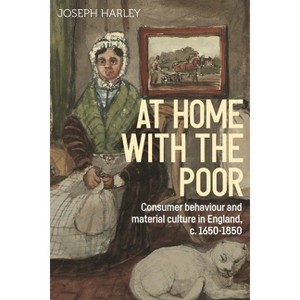
At Home with the Poor - Studies in Design and Material Culture by Joseph Harley Hardcover
In Stock
Sponsored
About this item
Highlights
- This book opens the doors to the homes of the forgotten poor and traces the goods they owned before, during and after the industrial revolution.
- About the Author: Joseph Harley is a Senior Lecturer in History at Anglia Ruskin University, Cambridge
- 272 Pages
- History, Social History
- Series Name: Studies in Design and Material Culture
Description
About the Book
This book opens the doors to the homes of the forgotten poor and traces the goods they owned before, during and after the industrial revolution.
Book Synopsis
This book opens the doors to the homes of the forgotten poor and traces the goods they owned before, during and after the industrial revolution. Using a vast range of sources, it argues that the poor owned greater numbers and varieties of items with each generation and that poverty did not always mean living in squalor.
From the Back Cover
This fascinating book takes us inside the homes of the forgotten poor in the period before, during and after the industrial revolution. Using a wide range of sources, it gets to the heart of what it meant to be 'poor' by examining the residences of the impoverished and mapping how various household goods became more widespread over time.
As the book shows, poverty did not necessarily equate to owning very little and living in squalor. Most poor people strove to improve their homes by making them more comfortable, convenient and respectable through new consumer goods. These important findings illustrate that the poor were not left behind while the middling sort and the elite became obsessed with new goods and the home. In fact, demand for goods from the poor was so great that it became a driving force of the industrial revolution.
For too long historians have downplayed the role of poor consumers, assuming that they had neither the desire nor the means to buy anything beyond necessities. But as At home with the poor reveals, with each generation, more and more people from poor labouring backgrounds came to own possession their grandparents could only have imagined.
Review Quotes
'This is a fabulous addition to the fields of material culture, consumption, and economic history during the period 1650-1850.' - CHOICE Reviews
About the Author
Joseph Harley is a Senior Lecturer in History at Anglia Ruskin University, Cambridge
Shipping details
Return details
Frequently bought together



Trending Non-Fiction






Discover more options