Sponsored
In Stock
Sponsored
About this item
Highlights
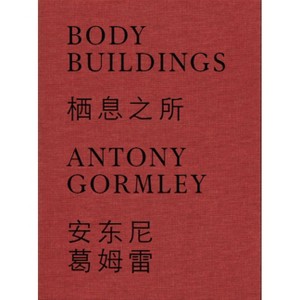
- Exploring the relationship between the human body and the built environment through Antony Gormley's sculptures and drawingsIn significant recent works that interrogate our relationship to the built environment, British sculptor Antony Gormley (born 1950) uses clay and iron, two ubiquitous materials of the built world, "to think and feel the body" in the increasingly high-rise world we rarely escape.
- 180 Pages
- Art, Individual Artists
Description
Book Synopsis
Exploring the relationship between the human body and the built environment through Antony Gormley's sculptures and drawings
In significant recent works that interrogate our relationship to the built environment, British sculptor Antony Gormley (born 1950) uses clay and iron, two ubiquitous materials of the built world, "to think and feel the body" in the increasingly high-rise world we rarely escape. This publication illustrates the work through extensive installation photography, guiding readers from Gormley's new installation Resting Place II (2024) to a series of sculptures investigating the relation of body to building, and finally to a group of drawings published here for the first time. Scholars Hou Hanru and Stephen Greenblatt trace the development of this body of work and Gormley's 30-year engagement with China and the surrounding region, and a photo essay by the artist tracks his ongoing dialogue with the region through a series of archival photographs of his first research trip to China in 1995.
Review Quotes
New scholarship published in Body Buildings by Hou Hanru and Stephen Greenblatt explores Gormley's engagement with China over the course of the past three decades. And a photo essay by the artist traces his interactions with the region, sharing never-before-seen archival photographs that document a 1995 research trip, where he visited the phenomenal army of terracotta warriors in Qin Shi Huang's tomb in Xi'an.--Kate Mothes "Colossal"
The sculptures are never illustrative. Instead, they operate as spatial propositions, articulating how the body occupies the space or yields to the logic of construction.--Kat Barandy "designboom"
Shipping details
Return details
Frequently bought together
Trending Non-Fiction






Discover more options