New ArrivalsValentine’s DayHealth & WellnessClothing, Shoes & AccessoriesHomeKitchen & DiningGroceryHousehold EssentialsFurnitureOutdoor Living & GardenBabyToysVideo GamesElectronicsMovies, Music & BooksBeautyPersonal CareGift IdeasParty SuppliesCharacter ShopSports & OutdoorsBackpacks & LuggageSchool & Office SuppliesPetsUlta Beauty at TargetTarget OpticalGift CardsBullseye’s PlaygroundDealsClearanceTarget New Arrivals Target Finds #TargetStyleStore EventsAsian-Owned Brands at TargetBlack-Owned or Founded Brands at TargetLatino-Owned Brands at TargetWomen-Owned Brands at TargetLGBTQIA+ ShopTop DealsTarget Circle DealsWeekly AdShop Order PickupShop Same Day DeliveryRegistryRedCardTarget CircleFind Stores
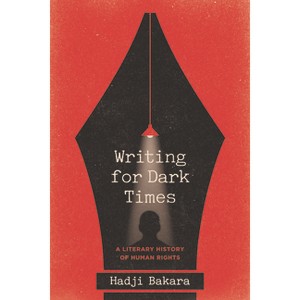
Writing for Dark Times - by  Hadji Bakara (Paperback) - 1 of 1

Writing for Dark Times - by Hadji Bakara (Paperback)

New at  target 
$32.50

Pre-order

Eligible for registries and wish lists

About this item

Highlights

  • A history of human rights that places writers and their ideas at its center.
  • About the Author: Hadji Bakara is assistant professor of English at the University of Michigan.
  • 336 Pages
  • Literary Criticism, Subjects & Themes

Description


About the Book


"A history of human rights that places writers and their ideas at its center. At Amnesty International's headquarters in London hangs a large copy of Seamus Heaney's "From the Republic of Conscience," a poem that touches on neither imprisonment nor torture but instead suggests that acts of literary creation are themselves a form of human rights work, important for bringing new things into the world rather than removing evil from it. Why does a poem about the power of creation stand at the center of an organization known for publicizing atrocity? What can it tell us about human rights? Hadji Bakara's Writing for Dark Times tells the story of the writer's distinct place in the history of human rights. It argues that the relationship between the creative work of writing and the pursuit of universal rights is an important but misunderstood dimension of both literary and human rights history over the past century. Following a diverse cast of characters from the First World War through the end of the Cold War, including Bertolt Brecht, H.G. Wells, Archibald MacLeish, Albert Camus, Czeslaw Milosz, Ngäugäi wa Thiong'O, Muriel Rukeyser, Nadine Gordimer, and J.M. Coetzee, Bakara shows how many writers took up questions about human rights, from refugees in the early century to a poet-statesman who helped draft the United Nations declarations of human rights to imprisoned writers and writer-activists who became integral parts of the global human rights movement. But the book also shows that these writers' efforts to theorize and support human rights were bound up with changing ideas about the place of their own work in the world--the work of writing. For those who study human rights, Writing for Dark Times offers both an archive and a method for better understanding the influence of writers on the historical development of the concept. For those in literary studies, the book provides a new account of how human rights shaped the politics of twentieth-century literature. Few books have made as vivid a case for literature's relevance to our most exalted ideals and institutions"-- Provided by publisher.


Book Synopsis


A history of human rights that places writers and their ideas at its center.

At Amnesty International's headquarters in London hangs a large copy of Seamus Heaney's "From the Republic of Conscience," a poem that touches on neither imprisonment nor torture but instead suggests that acts of literary creation are themselves a form of human rights work, important for bringing new things into the world rather than removing evil from it. Why does a poem about the power of creation stand at the center of an organization known for publicizing atrocity? What can it tell us about human rights?

Hadji Bakara's Writing for Dark Times tells the story of the writer's distinct place in the history of human rights. It argues that the relationship between the creative work of writing and the pursuit of universal rights is an important but misunderstood dimension of both literary and human rights history over the past century. Following a diverse cast of characters from the First World War through the end of the Cold War, including Bertolt Brecht, H.G. Wells, Archibald MacLeish, Albert Camus, Czeslaw Milosz, Ngũgĩ wa Thiong'O, Muriel Rukeyser, Nadine Gordimer, and J.M. Coetzee, Bakara shows how many writers took up questions about human rights, from refugees in the early century to a poet-statesman who helped draft the United Nations declarations of human rights to imprisoned writers and writer-activists who became integral parts of the global human rights movement. But the book also shows that these writers' efforts to theorize and support human rights were bound up with changing ideas about the place of their own work in the world--the work of writing.

For those who study human rights, Writing for Dark Times offers both an archive and a method for better understanding the influence of writers on the historical development of the concept. For those in literary studies, the book provides a new account of how human rights shaped the politics of twentieth-century literature. Few books have made as vivid a case for literature's relevance to our most exalted ideals and institutions.


About the Author


Hadji Bakara is assistant professor of English at the University of Michigan. His articles and essays on human rights and migration have appeared in such publications as Journal of Narrative Theory, PMLA, German Quarterly, American Literary History, the Los Angeles Review of Books. He is the coeditor of The Oxford Handbook to Literature and Migration.
Dimensions (Overall): 9.0 Inches (H) x 6.0 Inches (W)
Weight: 1.0 Pounds
Suggested Age: 22 Years and Up
Number of Pages: 336
Genre: Literary Criticism
Sub-Genre: Subjects & Themes
Publisher: University of Chicago Press
Theme: Historical Events
Format: Paperback
Author: Hadji Bakara
Language: English
Street Date: May 15, 2026
TCIN: 1008947493
UPC: 9780226847825
Item Number (DPCI): 247-51-1562
Origin: Made in the USA or Imported
If the item details aren’t accurate or complete, we want to know about it.

Shipping details

Estimated ship dimensions: 1 inches length x 6 inches width x 9 inches height
Estimated ship weight: 1 pounds
We regret that this item cannot be shipped to PO Boxes.
This item cannot be shipped to the following locations: American Samoa (see also separate entry under AS), Guam (see also separate entry under GU), Northern Mariana Islands, Puerto Rico (see also separate entry under PR), United States Minor Outlying Islands, Virgin Islands, U.S., APO/FPO

Return details

This item can be returned to any Target store or Target.com.
This item must be returned within 90 days of the date it was purchased in store, shipped, delivered by a Shipt shopper, or made ready for pickup.
See the return policy for complete information.

Additional product information and recommendations

Get top deals, latest trends, and more.

Privacy policy

Footer

About Us

About TargetCareersNews & BlogTarget BrandsBullseye ShopSustainability & GovernancePress CenterAdvertise with UsInvestorsAffiliates & PartnersSuppliersTargetPlus

Help

Target HelpReturnsTrack OrdersRecallsContact UsFeedbackAccessibilitySecurity & FraudTeam Member ServicesLegal & Privacy

Stores

Find a StoreClinicPharmacyTarget OpticalMore In-Store Services

Services

Target Circle™Target Circle™ CardTarget Circle 360™Target AppRegistrySame Day DeliveryOrder PickupDrive UpFree 2-Day ShippingShipping & DeliveryMore Services
PinterestFacebookInstagramXYoutubeTiktokTermsCA Supply ChainPrivacy PolicyCA Privacy RightsYour Privacy ChoicesInterest Based AdsHealth Privacy Policy