Sponsored

In Stock
Sponsored
About this item
Highlights
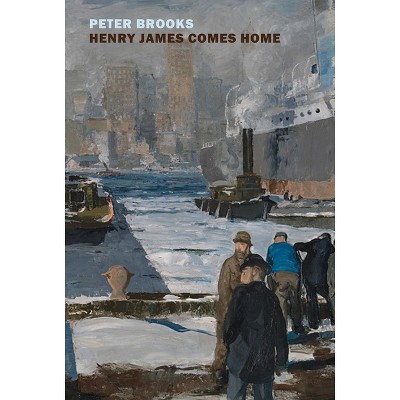
- The constant call to admit guilt amounts almost to a tyranny of confession today.
- About the Author: Peter Brooks is Chester D. Tripp Professor of Humanities and Director of the Whitney Humanities Center at Yale University.
- 224 Pages
- Literary Criticism, LGBT
Description
Book Synopsis
The constant call to admit guilt amounts almost to a tyranny of confession today. We demand tell-all tales in the public dramas of the courtroom, the talk shows, and in print, as well as in the more private spaces of the confessional and the psychoanalyst's office. Yet we are also deeply uneasy with the concept: how can we tell whether a confession is true? What if it has been coerced?
In Troubling Confessions, Peter Brooks juxtaposes cases from law and literature to explore the kinds of truth we associate with confessions, and why we both rely on them and regard them with suspicion. For centuries the law has considered confession to be "the queen of proofs," yet it has also seen a need to regulate confessions and the circumstances under which they are made, as evidenced in the continuing debate over the Miranda decision. Western culture has made confessional speech a prime measure of authenticity, seeing it as an expression of selfhood that bears witness to personal truth. Yet the urge to confess may be motivated by inextricable layers of shame, guilt, self-loathing, the desire to propitiate figures of authority. Literature has often understood the problematic nature of confession better than the law, as Brooks demonstrates in perceptive readings of legal cases set against works by Rousseau, Dostoevsky, Joyce, and Camus, among others.
Mitya in The Brothers Karamazov captures the trouble with confessional speech eloquently when he offers his confession with the anguished plea: this is a confession; handle with care. By questioning the truths of confession, Peter Brooks challenges us to reconsider how we demand confessions and what we do with them.
From the Back Cover
"A book so rich in fresh ideas that I found myself underlining as madly as an undergraduate."-Richard Lourie, New York Times Book Review
Confession, Peter Brooks writes, is "one of the most complex and obscure forms of human speech and behavior," inextricably entwined with our ideas of punishment and absolution, relied upon as ultimate truth and yet treated with profound suspicion. In this book, Brooks juxtaposes cases from law, literature, and elsewhere-from the Miranda decision to Camus to the Catholic confessional-to explore the kinds of truth we demand from confessions and the ways in which we use them.
About the Author
Peter Brooks is Chester D. Tripp Professor of Humanities and Director of the Whitney Humanities Center at Yale University. He is author of, most recently, Psychoanalysis and Storytelling and the novel World Elsewhere, and is co-editor of Law's Stories: Narrative and Rhetoric in the Law.
Shipping details
Return details
Trending Paperback Books



Discover more options