Sponsored
In Stock
Sponsored
About this item
Highlights
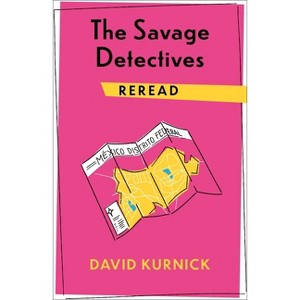
- The Savage Detectives elicits mixed feelings.
- About the Author: David Kurnick is associate professor of English at Rutgers University at New Brunswick.
- 192 Pages
- Literary Criticism, Books & Reading
- Series Name: Rereadings
Description
About the Book
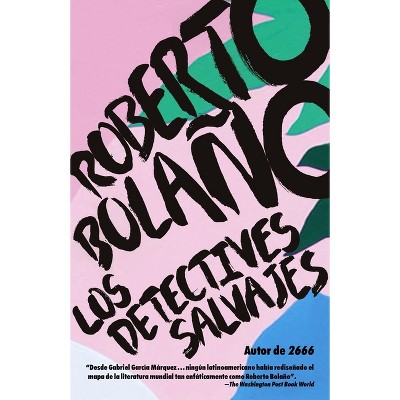
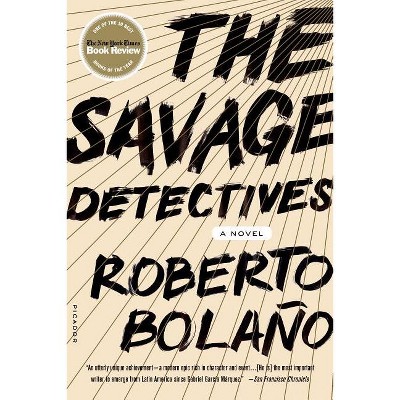
"The Savage Detectives elicits mixed feelings. An instant classic in the Spanishspeaking world upon its 1998 publication, a critical and commercial smash on its 2007 translation into English, Roberto Bolaäno's novel has also been called an exercise in 1970s nostalgia, an escapist fantasy of a romanticized Latin America, and a publicity event propped up by the myth of the bad-boy artist. David Kurnick argues that the controversies surrounding Bolaäno's life and work have obscured his achievements-and that The Savage Detectives is still underappreciated for the subtlety and vitality of its portrait of collective life. Kurnick explores The Savage Detectives as an epic of social structure and its decomposition, a novel that restlessly moves between the big configurations-of states, continents, and generations-and the everyday stuff-parties, jobs, moods, sex, conversation- of which they're made. For Kurnick, Bolaäno's book is a necromantic invocation of life in history, one that demands surrender as much as analysis. Kurnick alternates literary-critical arguments with explorations of the novel's microclimates and neighborhoods-the little atmospheric zones where some of Bolaäno's most interesting rethinking of sexuality, politics, and literature takes place. He also claims that The Savage Detectives holds particular interest for U.S. readers: not because it panders to them but because it heralds the exhilarating prospect of a world in which American culture has lost its presumptive centrality"--
Book Synopsis
The Savage Detectives elicits mixed feelings. An instant classic in the Spanish-speaking world upon its 1998 publication, a critical and commercial smash on its 2007 translation into English, Roberto Bolaño's novel has also been called an exercise in 1970s nostalgia, an escapist fantasy of a romanticized Latin America, and a publicity event propped up by the myth of the bad-boy artist.
David Kurnick argues that the controversies surrounding Bolaño's life and work have obscured his achievements--and that The Savage Detectives is still underappreciated for the subtlety and vitality of its portrait of collective life. Kurnick explores The Savage Detectives as an epic of social structure and its decomposition, a novel that restlessly moves between the big configurations--of states, continents, and generations--and the everyday stuff--parties, jobs, moods, sex, conversation--of which they're made. For Kurnick, Bolaño's book is a necromantic invocation of life in history, one that demands surrender as much as analysis.
Kurnick alternates literary-critical arguments with explorations of the novel's microclimates and neighborhoods--the little atmospheric zones where some of Bolaño's most interesting rethinking of sexuality, politics, and literature takes place. He also claims that The Savage Detectives holds particular interest for U.S. readers: not because it panders to them but because it heralds the exhilarating prospect of a world in which American culture has lost its presumptive centrality.
Review Quotes
David Kurnick's account of The Savage Detectives shows a glittering intelligence at work. His writing is fluent, his analysis sharp, his engagement passionate. His account of the politics of the book and its reception is clear-eyed and wise. His close reading of the text, his insights into its complex form, give real pleasure and will delight those who love this novel and enlighten those who are coming to it for the first time.--Colm Tóibín, author of Brooklyn: A Novel
About the Author
David Kurnick is associate professor of English at Rutgers University at New Brunswick. He is the author of Empty Houses: Theatrical Failure and the Novel (2012). His writing has appeared in the Village Voice, Public Books, and the Chronicle of Higher Education, and his translations from Spanish include Julio Cortázar's Fantomas Versus the Multinational Vampires (2014) and work by Álvaro Enrigue.
Shipping details
Return details
Frequently bought together
Trending Paperback Books

Discover more options