Sponsored
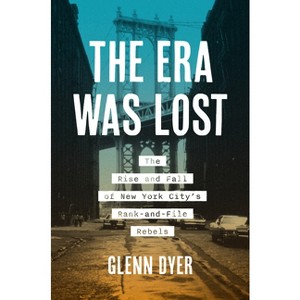
The Era Was Lost - Justice, Power, and Politics by Glenn Dyer
In Stock
Sponsored
About this item
Highlights
- An exciting yet relatively unknown episode in American labor history took place in New York City between 1965 and 1975.
- About the Author: Glenn Dyer is a lecturer in the Department of History and Philosophy at Kennesaw State University.
- 232 Pages
- Political Science, Labor & Industrial Relations
- Series Name: Justice, Power, and Politics
Description
About the Book
"An exciting yet relatively unknown episode in American labor history took place in New York City between 1965 and 1975. Rank-and-file members of numerous unions caught a 'strike fever' as they challenged the entrenched power of some of the country's most powerful politicians, employers, and union leaders in a wave contract rejections, wildcat strikes, and electoral campaigns. Workers in unions across New York wanted more than better contracts: they contested control of the work process, racism on the job, and workers' place in America's socioeconomic hierarchy while implicitly and explicitly demanding greater democratic control of their representative organizations and lives. Some initial challenges were effective and succeeded in delivering better contracts and unseating undemocratic leaders. However, those early successes were short-lived. Glenn Dyer traces the way workers were met with employer recalcitrance and union attacks that proved too powerful to organize against. In the face of this resistance, workers retreated into a survivalist attitude of accommodation and resignation, contributing to the decline of social democratic New York and working-class power in the city. Ultimately, as Dyer argues, the failures of the rank-and-file organizing efforts in New York City, which was the biggest center of organized labor in the country, shows how stunted workers' aspirations and numerous defeats not only uprooted the foundations of New York's uniquely social democratic polity but also ushered in a national era of increased working-class subservience that has resonance today"-- Provided by publisher.
Book Synopsis
An exciting yet relatively unknown episode in American labor history took place in New York City between 1965 and 1975. Rank-and-file members of numerous unions caught a "strike fever" as they challenged the entrenched power of some of the country's most powerful politicians, employers, and union leaders in a wave of contract rejections, wildcat strikes, and electoral campaigns.
Workers in unions across New York wanted more than better contracts: they contested control of the work process, racism on the job, and workers' place in America's socioeconomic hierarchy while implicitly and explicitly demanding greater democratic control of their representative organizations. Some initial challenges were effective and succeeded in delivering better contracts and unseating undemocratic leaders. However, those early successes were short-lived.
Glenn Dyer traces the way workers were met with employer recalcitrance and union attacks that proved too powerful to organize against. In the face of this resistance, workers retreated into a survivalist attitude of accommodation and resignation, contributing to the decline of social democratic New York and working-class power in the city. Ultimately, Dyer argues, the failures of the rank-and-file organizing efforts in New York City, which was the biggest center of organized labor in the country, shows how stunted workers' aspirations and numerous defeats not only uprooted the foundations of New York's uniquely social democratic polity but also ushered in a national era of increased working-class subservience that has resonance today.
Review Quotes
"A superb social and labor history. Charting the strike surge that swept New York City in the decade prior to the fiscal crisis of 1975, Dyer illuminates this central aspect of the city's life."--Kim Phillips-Fein, author of Fear City: New York's Fiscal Crisis and the Rise of Austerity Politics
"With expansive research and fresh insights, this impressive first look at rank-and-file worker militancy in New York City during this period substantially furthers the field of labor studies and working-class history."--Robert Ovetz, author of We the Elites: Why the US Constitution Serves the Few
About the Author
Glenn Dyer is a lecturer in the Department of History and Philosophy at Kennesaw State University.
Shipping details
Return details
Frequently bought together

Guests also viewed

Discover more options