Sponsored
In Stock
Sponsored
About this item
Highlights
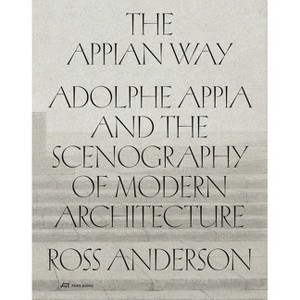
- Uncovers scenographer Adolphe Appia's forgotten architectural influence.
- About the Author: Ross Anderson is associate professor of architecture at the University of Sydney.
- 464 Pages
- Non-Classifiable
Description
Book Synopsis
Uncovers scenographer Adolphe Appia's forgotten architectural influence.
Adolphe Appia (1862-1928) is a prominent figure in the history of modern theater, best known for his writings on the mise-en-scène and stage design for the operas of Richard Wagner. Far less is known about the Swiss scenographer's importance in twentieth-century architecture and aesthetics. The Appian Way is the definitive account of Appia's significance in this field. It is centered on his remarkable drawings that are at once austere and atmospheric: framing a series of scenes capturing stairs, landings, platforms, and terraces, all staged before a distant horizon under a luminous sky, the drawings are generally monochrome, but the subtle hues of the paper imbue each with a distinctive, ambient undertone. Appia himself might be thought about in the same way; he was distant yet also enigmatically present in the ensuing drama of modern architecture and stage design.
Comprised of four main chapters and a coda, this engaging and accessible book is structured as a dramatic story that traces the contours of Appia's life--his personal circumstances, convictions, aesthetic preferences, desires, and motivations--all aimed at constructing a comprehensive portrayal of his life and his work, within the horizons of his time. Appia's drawings are reproduced here in full color, accompanied by a vast range of archival material, much of which has never been published.
About the Author
Ross Anderson is associate professor of architecture at the University of Sydney.
Shipping details
Return details
Frequently bought together






Discover more options