Sponsored
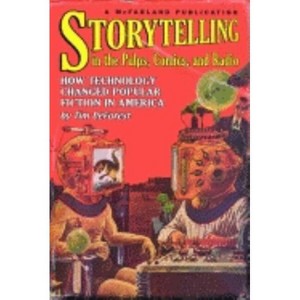
Storytelling in the Pulps, Comics, and Radio - by Tim DeForest Paperback
In Stock
Sponsored
About this item
Highlights
- The first half of the twentieth century was a golden age of American storytelling.
- About the Author: Tim DeForest lives in Sarasota, Florida, and is the circulation manager of the library at the Ringling School of Art and Design.
- 229 Pages
- Literary Criticism, Comics & Graphic Novels
Description
About the Book
The first half of the twentieth century was a golden age of American storytelling. Mailboxes burgeoned with pulp magazines, conveying an endless variety of fiction. Comic strips, with their ongoing dramatic storylines, were a staple of the papers, eagerly followed by millions of readers. Families gathered around the radio, anxious to hear the exploits of their favorite heroes and villains. Before the emergence of television as a dominant--and stifling--cultural force, storytelling blossomed in America as audiences and artists alike embraced new mediums of expression.
This examination of storytelling in America during the first half of the twentieth century covers comics, radio, and pulp magazines. Each was bolstered by new or improved technologies and used unique attributes to tell dramatic stories. Sections of the book cover each medium. One appendix gives a timeline for developments relative to the subject, and another highlights particular episodes and story arcs that typify radio drama. Illustrations and a bibliography are included.
Book Synopsis
The first half of the twentieth century was a golden age of American storytelling. Mailboxes burgeoned with pulp magazines, conveying an endless variety of fiction. Comic strips, with their ongoing dramatic storylines, were a staple of the papers, eagerly followed by millions of readers. Families gathered around the radio, anxious to hear the exploits of their favorite heroes and villains. Before the emergence of television as a dominant--and stifling--cultural force, storytelling blossomed in America as audiences and artists alike embraced new mediums of expression.
This examination of storytelling in America during the first half of the twentieth century covers comics, radio, and pulp magazines. Each was bolstered by new or improved technologies and used unique attributes to tell dramatic stories. Sections of the book cover each medium. One appendix gives a timeline for developments relative to the subject, and another highlights particular episodes and story arcs that typify radio drama. Illustrations and a bibliography are included.
Review Quotes
"most entertaining...very perceptive...There's a lot here, and it's organized very well...a fine study"-Classic Images; "painstakingly, DeForest carries his readers down memory lane in a nostalgic tribute to a trio of abandoned story models after the inception of modern technology...his research appears authentic and sweeping and his writing style compelling...fascinating"-Radio Recall; "methods used to perform the task of storytelling are examined in detail...an interesting and highly informative read...recommend it highly"-Illustrated Press; "delightful...astounding compendium...impressive...captivating"-Science Fiction Studies; "interesting and rewarding...lively tone...an interesting and insightful endeavor...anyone who loves pulps, comics, and especially radio-and anyone who appreciates the intrinsic value, both aesthetically and morally, in each medium-will treasure this work"-SPERDVAC Radiogram; "an interesting study of the evolution of popular entertainment"-Critical Mass.
About the Author
Tim DeForest lives in Sarasota, Florida, and is the circulation manager of the library at the Ringling School of Art and Design. His previously published articles cover a variety of subjects, from military history to the Wild West.
Shipping details
Return details
Trending Paperback Books