Sponsored
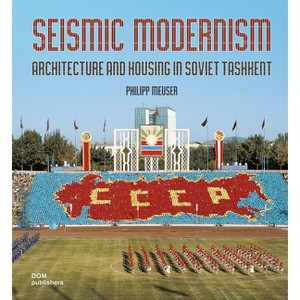
Seismic Modernism - by Philipp Meuser (Hardcover)
Pre-order
Sponsored
About this item
Highlights
- Tashkent, the southernmost metropolis of millions in the Soviet Union, is a city redolent with architectural contrasts and paradoxes.
- Author(s): Philipp Meuser
- 304 Pages
- Architecture, Regional
Description
Book Synopsis
Tashkent, the southernmost metropolis of millions in the Soviet Union, is a city redolent with architectural contrasts and paradoxes. Home to the world's most beautiful prefabricated buildings, it features a prominent urban duality predicated upon the oriental Old City and the Russian New City.
Never was this contrast brought into sharper focus than during the severe earthquake of 1966 which left the New City relatively unscathed but the Old City in ruins. Yet one respite was offered: a rebuilding effort which triggered an upsurge of innovation.
The city thus became the face of Seismic Modernism - unprecedented in history, the earthquake stimulated the modernization of urban development in Tashkent. Architects incorporated regional building traditions in their socialist modern designs, including the visually intriguing façade mosaics attributed to the little-known Jarsky brothers.
The rebuilding of Tashkent provides a perfect example of Soviet ideas about urban planning - in which technical standardization and social requirements were no more of a contradiction than the design of experimental living concepts and the simultaneous search for an expression of national identity in building. Tashkent thus represents a unique example of radical urban redevelopment in a Soviet megacity with standard designs.
Shipping details
Return details
Frequently bought together




Guests also viewed