Materials having at least one dimension in the range of 1-100 nm are referred to as nanostructured materials or nanomaterials.
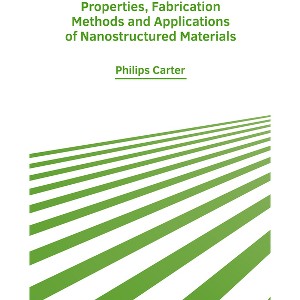
Author(s): Philips Carter
216 Pages
Technology, Materials Science
Description
About the Book
Materials having at least one dimension in the range of 1-100 nm are referred to as nanostructured materials or nanomaterials. Some naturally occurring nanomaterials are milk, blood, nacre and cotton. Nanostructured materials engineered for specific purposes include carbon black and titanium dioxide nanomaterials. While carbon black finds extensive use in the tire industry, titanium dioxide is found in sunscreens and cement. On the basis of external dimensions, nanostructured materials can be classified into nanotubes, nanowires, fullerenes, etc. Manufacturing of nanomaterials involves application of various fields such as mechanical engineering, electrical engineering and materials science. The two most common approaches to produce nanomaterials are the top-down approach and bottom-up approach. This book outlines the processes and applications of nanostructured materials in detail. It includes some of the vital pieces of work being conducted across the world, on various topics related to nanostructured materials. As this field is emerging at a rapid pace, the contents of this book will help the readers understand the modern concepts and applications of the subject.
Book Synopsis
Materials having at least one dimension in the range of 1-100 nm are referred to as nanostructured materials or nanomaterials. Some naturally occurring nanomaterials are milk, blood, nacre and cotton. Nanostructured materials engineered for specific purposes include carbon black and titanium dioxide nanomaterials. While carbon black finds extensive use in the tire industry, titanium dioxide is found in sunscreens and cement. On the basis of external dimensions, nanostructured materials can be classified into nanotubes, nanowires, fullerenes, etc. Manufacturing of nanomaterials involves application of various fields such as mechanical engineering, electrical engineering and materials science. The two most common approaches to produce nanomaterials are the top-down approach and bottom-up approach. This book outlines the processes and applications of nanostructured materials in detail. It includes some of the vital pieces of work being conducted across the world, on various topics related to nanostructured materials. As this field is emerging at a rapid pace, the contents of this book will help the readers understand the modern concepts and applications of the subject.
Dimensions (Overall): 10.88 Inches (H) x 8.0 Inches (W) x .56 Inches (D)
Weight: 1.64 Pounds
Suggested Age: 22 Years and Up
Number of Pages: 216
Genre: Technology
Sub-Genre: Materials Science
Publisher: States Academic Press
Theme: General
Format: Hardcover
Author: Philips Carter
Language: English
Street Date: September 27, 2022
TCIN: 1008945485
UPC: 9781639894475
Item Number (DPCI): 247-48-7371
Origin: Made in the USA or Imported
If the item details aren’t accurate or complete, we want to know about it.
Shipping details
Estimated ship dimensions: 0.56 inches length x 8 inches width x 10.88 inches height
Estimated ship weight: 1.64 pounds
We regret that this item cannot be shipped to PO Boxes.
This item cannot be shipped to the following locations: American Samoa (see also separate entry under AS), Guam (see also separate entry under GU), Northern Mariana Islands, Puerto Rico (see also separate entry under PR), United States Minor Outlying Islands, Virgin Islands, U.S., APO/FPO
Return details
This item can be returned to any Target store or Target.com.
This item must be returned within 90 days of the date it was purchased in store, shipped, delivered by a Shipt shopper, or made ready for pickup.