Sponsored
About this item
Highlights
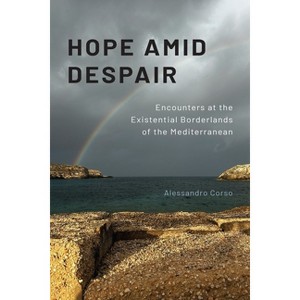
- The story of extraordinarily ordinary life on Lampedusa, an island in the Mediterranean and the southernmost frontier of undocumented migration to Europe Hope amid Despair tells the story of life on Lampedusa, a small island in the central Mediterranean and the southernmost frontier of irregular and undocumented migration to Europe, or what is often referred to as Europe's "refugee crisis.
- About the Author: Alessando Corso is Marie-Curie Postdoctoral Researcher at the Chr.
- 232 Pages
- Social Science, Anthropology
- Series Name: Contemporary Ethnography
Description
Book Synopsis
The story of extraordinarily ordinary life on Lampedusa, an island in the Mediterranean and the southernmost frontier of undocumented migration to Europe
Hope amid Despair tells the story of life on Lampedusa, a small island in the central Mediterranean and the southernmost frontier of irregular and undocumented migration to Europe, or what is often referred to as Europe's "refugee crisis." Anthropologist Alessandro Corso examines the extraordinarily ordinary choices faced by migrants, migration workers, and locals on the island--and the decisions they make that foster distance, indifference, and abandonment or allow for mutuality, community, and life-building.
Through extensive ethnographic fieldwork as well as oral histories and archival research, Corso follows the island's inhabitants through their quotidian encounters, detailing their impressions, misunderstandings, and reconsiderations of one another. Revealing perspectives and experiences that often run against the grain of prevailing narratives, Corso argues for an understanding of this border zone not as a site of order and control, but as one of existential struggle and moral possibility, characterized by fear and despair but also reconciliation, hope, and love. Challenging mainstream ways of thinking about how borders separate and categorize us as individuals, Hope amid Despair reveals the geographical, historical, social, legal, and ethical boundaries of what it means to be human.
About the Author
Alessando Corso is Marie-Curie Postdoctoral Researcher at the Chr. Michelsen Institute.
Shipping details
Return details
Frequently bought together




Guests also viewed


Discover more options