Sponsored
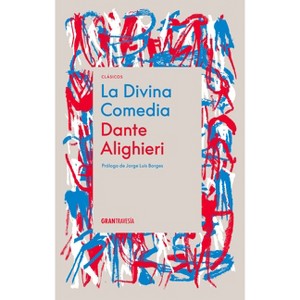
La Divina Comedia / The Divine Comedy - by Dante Alighieri (Hardcover)
In Stock
Sponsored
About this item
Highlights
- La Divina comedia es una epopeya alegórica en tercetos encadenados escrita entre 1304 y su muerte, considerada como una de las obras maestras de la literatura italiana y mundial.
- About the Author: Dante Alighieri (1265-1321) formó parte de los poetas pertenecientes al llamado dolce stil nuovo que renovaron la poesía italiana.
- 576 Pages
- Fiction + Literature Genres, Classics
Description
Book Synopsis
La Divina comedia es una epopeya alegórica en tercetos encadenados escrita entre 1304 y su muerte, considerada como una de las obras maestras de la literatura italiana y mundial. Cada una de sus partes está dividida en treinta y tres cantos, a su vez compuestos de tercetos. hay tres personajes principales, Dante, que personifica al hombre; Beatriz, que personifica a la fe; y Virgilio, que personifica a la razón.
The Divine Comedy is an allegorical epic in chained triplets written between 1304 and his death, considered one of the masterpieces of Italian and world literature. Each of its parts is divided into thirty-three songs, in turn composed of triplets. There are three main characters, Dante, who personifies man; Beatriz, who personifies faith; and Virgil, who personifies reason.
About the Author
Dante Alighieri (1265-1321) formó parte de los poetas pertenecientes al llamado dolce stil nuovo que renovaron la poesía italiana. Su obra se ubica en la transición entre la Edad Media y el Renacimiento. Comenzó su producción con Vita nuova, prosiguió con su Canzioniere y culminó su obra con la Divina Comedia. Escribió también un tratado político, De Monarchia, el Convivio y De vulgari eloquentia, en la que reivindicó la lengua vulgar.
Dante Alighieri (1265-1321) was one of the poets belonging to the so-called dolce stil nuovo who renewed Italian poetry. His work is located in the transition between the Middle Ages and the Renaissance. He began his production with Vita nuova, continued with his Canzioniere and culminated his work with the Divine Comedy. He also wrote a political treatise, De Monarchia, el Convivio and De vulgari eloquentia, in which he defended the vulgar language.
Shipping details
Return details
Frequently bought together

Guests also viewed

Discover more options