Sponsored
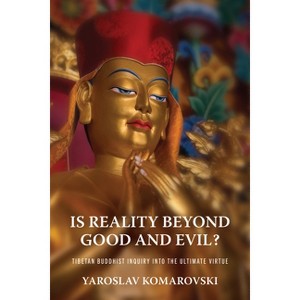
Is Reality Beyond Good and Evil? - (Traditions and Transformations in Tibetan Buddhism) by Yaroslav Komarovski (Paperback)
In Stock
Sponsored
About this item
Highlights
- Illuminates the debate on the nature of virtue and ultimate reality Tibetan Buddhist thinkers agree that, on the most fundamental level, our nature is pure.
- About the Author: Yaroslav Komarovski is Professor of Religious Studies at the University of Nebraska-Lincoln and the author of Tibetan Buddhism and Mystical Experience, Radiant Emptiness: Three Seminal Works by the Golden Paṇḍita Shakya Chokden, and Visions of Unity: The Golden Paṇḍita Shakya Chokden's New Interpretation of Yogācāra and Madhyamaka.
- 228 Pages
- Religion + Beliefs, Buddhism
- Series Name: Traditions and Transformations in Tibetan Buddhism
Description
About the Book
"This book, touching on interrelated areas of Buddhist ontology, epistemology, and ethics, discusses conflicting positions of Tibetan Buddhist thinkers on the issue of the ultimate as a virtue, exploring how their interpretations of the nature of ultimate reality shape their philosophical approaches to virtue. Tracing the origins of the polemics on the ultimate virtue back to the Indian texts and writings of early Tibetan thinkers, the book focuses on the writings of the two seminal thinkers of the Sakya tradition: Serdok Penchen Shakya Chokden and Gowo Rapjampa Sèonam Senggâe"--
Book Synopsis
Illuminates the debate on the nature of virtue and ultimate reality
Tibetan Buddhist thinkers agree that, on the most fundamental level, our nature is pure. What exactly that ultimate nature is, however, remains the subject of debate. Yaroslav Komarovski's new book appraises how divergent understandings of the ultimate nature by Tibetan thinkers, including ideas informed by two conflicting yet complementary systems of Buddhist thought--Yogācāra and Madhyamaka--affect their diverse approaches to understanding virtue, and how their understandings of virtue in turn relate to their approaches to the Buddhist thought and practice. Tracing the origins of the polemics on ultimate virtue back to the Indian texts and writings of early Tibetan thinkers, Komarovski focuses chiefly on the works of the two seminal thinkers of the Sakya tradition of Tibetan Buddhism, Serdok Penchen Shakya Chokden (1428-1507) and Gowo Rapjampa Sönam Senggé (1429-1489), and offers both a learned summary of a historical controversy and a modern commentary on this vital debate.
About the Author
Yaroslav Komarovski is Professor of Religious Studies at the University of Nebraska-Lincoln and the author of Tibetan Buddhism and Mystical Experience, Radiant Emptiness: Three Seminal Works by the Golden Paṇḍita Shakya Chokden, and Visions of Unity: The Golden Paṇḍita Shakya Chokden's New Interpretation of Yogācāra and Madhyamaka.
Shipping details
Return details
Frequently bought together




Discover more options