Sponsored
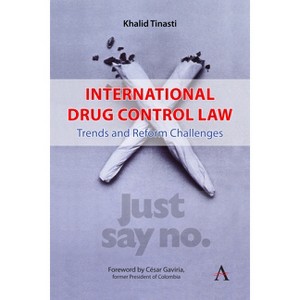
International Drug Control Law - by Khalid Tinasti Paperback
Pre-order
Sponsored
About this item
Highlights
- The international drug control regime, anchored in three international conventions (1961, 1971, and 1988), bans non-medical drug production and use while ensuring access for medical purposes.
- About the Author: Khalid Tinasti is a research associate at the Centre on Conflict, Development and Peacebuilding and visiting lecturer at the Geneva Graduate Institute, and a David F. Musto Visiting Scholar at the International Centre for Drug Policy Studies at Shanghai University.
- 78 Pages
- Political Science, International Relations
Description
About the Book
This book critically examines the international drug control regime's legal framework, implementation challenges, and emerging tensions. It explores the system's shortcomings and the ongoing debates around its modernization, outlining potential reform pathways to address expanding drug markets, public health crises, and human rights concerns in an increasingly complex global landscape.
Book Synopsis
The international drug control regime, anchored in three international conventions (1961, 1971, and 1988), bans non-medical drug production and use while ensuring access for medical purposes. Despite near-universal ratification and political commitments focusing on demand and supply reduction as well as judicial cooperation, the illegal drug market has expanded significantly. Over the past decade, drug use rose by 20%, problematic use by 45%, and seizures of drugs like cocaine and amphetamines by more than 40%. These trends expose the regime's inability to fulfil its objectives, alongside escalating challenges like drug-related violence, overdose crises, and human rights abuses.
This book critically examines the international drug control framework, analyzing its legal instruments, historical context, and implementation mechanisms. It explores emerging tensions, such as the limited access to pain medicines, the tensions with international human rights law, and synthetic drug crises affecting public health and law enforcement. By addressing these issues, the book sheds light on how countries navigate the conflicts between their international obligations and pressing domestic challenges, particularly in adapting to new trafficking modes.
Building on these analyses, the book discusses whether the current regime is fit for purpose or requires reform. It explores potential pathways for change and evaluates the risks and benefits of maintaining the status quo and of reforming. Ultimately, the work aims to inform policymakers, students, and communities about the complexities of drug control laws and the existing paths to modernization to address contemporary challenges effectively
Review Quotes
A critical examination of the international drug control regime, its legal foundations, growing tensions, and existing calls for reform in an era of emerging challenges such as synthetic drugs and cannabis legalization..
"At a moment of growing debate about the future of drug policy, Khalid Tinasti offers a careful, historically grounded account that avoids easy answers and instead provides the perspective needed for informed dialogue." -- José M. Zuniga, President & CEO, Fast- Track Health
"Tinasti provides a clear and lucid account of the international drug control system. Unquestionably drugs remain a key global issue and this work serves as an important contribution to the literature on drug control's evolution and development." -- Mark Shaw, Director, Global Initiative against Transnational Organized Crime
"Drawing on both scholarly depth and direct experience in international forums, Tinasti brings rare and valuable insights into the diplomacy of drug policy, illuminating the tensions and compromises that continue to shape one of the world's most contested legal regimes." -- Julia Buxton, British Academy Global Professor, Liverpool John Moores University
About the Author
Khalid Tinasti is a research associate at the Centre on Conflict, Development and Peacebuilding and visiting lecturer at the Geneva Graduate Institute, and a David F. Musto Visiting Scholar at the International Centre for Drug Policy Studies at Shanghai University.
Shipping details
Return details
Frequently bought together

Guests also viewed