Sponsored
Out of Stock
Sponsored
About this item
Highlights
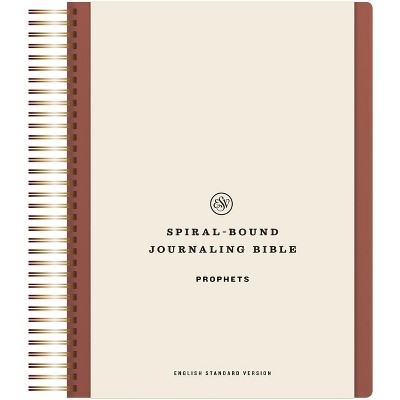
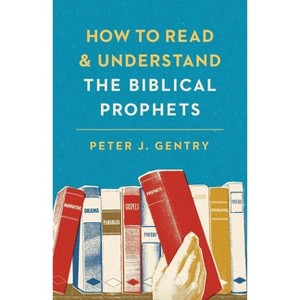
- A Concise Guide to Reading the Prophetic Books The Prophetic Books of the Bible are full of symbolic speeches, dramatic metaphors, and lengthy allegories--a unique blend of literary styles that can make them hard to comprehend.
- About the Author: Peter J. Gentry (PhD, University of Toronto) is professor of Old Testament interpretation at the Southern Baptist Theological Seminary and director of the Hexapla Institute.
- 144 Pages
- Religion + Beliefs, Biblical Studies
Description
About the Book
Using illustrations and clear examples, leading Old Testament scholar Peter Gentry helps readers understand how to read the prophetic texts as they were intended to be read.
Book Synopsis
A Concise Guide to Reading the Prophetic Books
The Prophetic Books of the Bible are full of symbolic speeches, dramatic metaphors, and lengthy allegories--a unique blend of literary styles that can make them hard to comprehend. How can we know if we are reading them the way God intended them to be read?
In this accessible guide, leading Old Testament scholar Peter Gentry identifies seven common characteristics of prophetic literature in the Bible that help us understand each book's message. With illustrations and clear examples, Gentry offers guidance for reading these challenging texts--teaching us practical strategies for deeper engagement with the biblical text as we seek to apply God's Word to our lives today.
- Author is a leading Old Testament scholar
- Helps believers read and understand the Bible's prophetic literature for themselves, perhaps for the first time
- Illustrates strategies for reading prophetic literature using expositions from specific passages in Scripture
- Lays out seven characteristics of prophetic literature in the Bible, including repetition, announcing future events, addressing the covenant, and using metaphors and symbols
About the Author
Peter J. Gentry (PhD, University of Toronto) is professor of Old Testament interpretation at the Southern Baptist Theological Seminary and director of the Hexapla Institute.
Shipping details
Return details
Frequently bought together



Guests also viewed
Discover more options