Sponsored
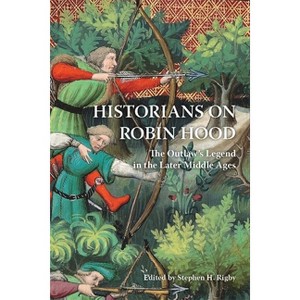
Historians on Robin Hood - by Stephen H Rigby (Hardcover)
In Stock
Sponsored
About this item
Highlights
- Offers a comprehensive thematic introduction to a wide range of medieval writings about the outlaw-hero from a series of different historical perspectives.
- Author(s): Stephen H Rigby
- 498 Pages
- Literary Criticism, Medieval
Description
Book Synopsis
Offers a comprehensive thematic introduction to a wide range of medieval writings about the outlaw-hero from a series of different historical perspectives.
By the fifteenth century, churchmen were complaining that laypeople preferred to hear stories about Robin Hood rather than to listen to the word of God. But what was the attraction of this outlaw for contemporary audiences?
The essays collected here seek to examine the outlaw's legend in relation to late medieval society, politics and piety. They set out the different types of evidence which give us access to representations of Robin and his men in the pre-Reformation period, ask whether stories about the outlaw had any basis in reality and explore the many different purposes for which his legend was adapted.
The volume is divided into six parts: the sources for the medieval legend of Robin Hood and its origins; social structure; social conflict; kingship, law and warfare; piety and the church; and the outlaw's legend in Wales and Scotland. Key issues addressed by its essays include the dating of the surviving tales, attitudes to social hierarchy, representations of gender and masculinity, the extent to which the tales drew upon or shaped contemporary attitudes towards law and justice, the development of Robin Hood plays and games, and whether the legend emerged from or appealed to particular social groups. It not only sheds new light on a character who, whether "real" or not, is one of the most important and memorable figures in the history of medieval England but also explores the extent to which the outlaw became popular in Scotland and Wales.
Review Quotes
The contributing authors, most of them historians, bring to bear impressive scholarship to explore what medieval audiences found appealing about the figure of Robin Hood, when and where the legend arose, whether Robin Hood reflected social or political protest, how Robin Hood's yeoman status should be understood, whether Robin Hood was anticlerical or opposed to monarchy, and how the legend reflected attitudes toward law and justice and warfare and masculinity.-- "CHOICE"
The volume is well balanced in presenting readers new to the academic study of the outlaw to its key themes and scholars, while providing new commentary and complications of its own.-- "NORTHERN HISTORY"
Shipping details
Return details
Frequently bought together

Guests also viewed
Discover more options