Sponsored
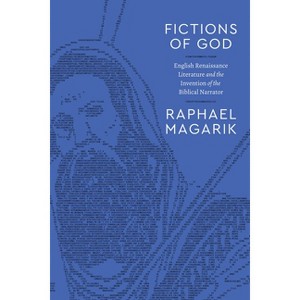
Fictions of God - (Class 200: New Studies in Religion) by Raphael Magarik
In Stock
Sponsored
About this item
Highlights
- A new history of literary narration rooted in the turmoil of the Protestant Reformation.
- About the Author: Raphael Magarik is assistant professor of English at the University of Illinois Chicago.
- 272 Pages
- Religion + Beliefs, Biblical Studies
- Series Name: Class 200: New Studies in Religion
Description
Book Synopsis
A new history of literary narration rooted in the turmoil of the Protestant Reformation.
We often identify secularization's characteristic literary form as the modern novel: out with divine scripture, in with human fictions. In Fictions of God, Raphael Magarik argues that this story overlooks the cultural upheavals of the Protestant Reformation. Early reformers imagined a Bible that was neither infallible nor inerrant but fictional, composed by a divine counterfactual: God crafted the text, they said, as if it had been written by the prophets. Early modern Protestants now found in their Bibles not a source of foundational truths but a model for unreliable narration, even fiction.
Fictions of God traces how this approach to literature passed from biblical commentators to poets like Abraham Cowley, John Milton, and Lucy Hutchinson amid the violent emergence of a new religious and political order--long before the eighteenth-century rise of the English novel. The result is a transformative account of the Reformation's effect on imaginative literature and the secularization of the Bible itself.
Review Quotes
"Fictions of God is a bold work of scholarship that reenergizes--and should transform--the study of the Bible and literature. Magarik's prose is as lively as it is learned, and the provocative ambition of his argument, that Protestant commentators invented the biblical narrator, makes this book not only fun to read but essential for anyone interested in religion, secularization, and literary modes of discipline and critique. I learned something on every page and will be grappling with the profound implications of this work for years to come."--Constance Furey, Indiana University
"Writing as both a literary scholar and an intellectual historian, Magarik proposes a compelling revision of how the emergence of secularism in the early modern period is understood. Surprisingly but persuasively, he shows the seeds of secularism in Protestant biblical commentary and then in English poetic treatments of the Bible, as readers of the Bible saw in the text unreliable narrators, irony, and even free indirect discourse. This book offers a fresh perspective on the early modern period."--Robert Alter, University of California, Berkeley
About the Author
Raphael Magarik is assistant professor of English at the University of Illinois Chicago.
Shipping details
Return details
Frequently bought together


Guests also viewed


Discover more options