Sponsored
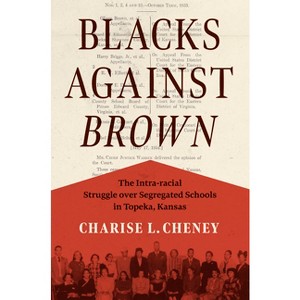
Blacks Against Brown - (The John Hope Franklin African American History and Culture) by Charise L Cheney
In Stock
Sponsored
About this item
Highlights
- Brown v. Board of Education of Topeka, Kansas (1954) is regarded as one of the most significant civil rights moments in American history.
- Author(s): Charise L Cheney
- 270 Pages
- Social Science, Ethnic Studies
- Series Name: The John Hope Franklin African American History and Culture
Description
About the Book
"Brown v. Board of Education of Topeka, Kansas (1954) is regarded as one of the most significant civil rights moments in American history. Historical observers have widely viewed this landmark Supreme Court decision as a significant sign of racial progress for African Americans. However, there is another historical perspective that tells a much more complex tale of Black resistance to the NAACP's decision to pursue desegregating America's public schools. This multifaceted history documents the intra-racial conflict among Black Topekans over the city's segregated schools. Black resistance to school integration challenges conventional narratives about Brown by highlighting community concerns about economic and educational opportunities for Black educators and students and Black residents' pride in all-Black schools. This history of the local story behind Brown v. Board contributes to a literature that provides a fuller and more complex perspective on African Americans and their relationship to Black education and segregated schools during the Jim Crow era"--
Book Synopsis
Brown v. Board of Education of Topeka, Kansas (1954) is regarded as one of the most significant civil rights moments in American history. Historical observers have widely viewed this landmark Supreme Court decision as a significant sign of racial progress for African Americans. However, there is another historical perspective that tells a much more complex tale of Black resistance to the NAACP's decision to pursue desegregating America's public schools.
This multifaceted history documents the intra-racial conflict among Black Topekans over the city's segregated schools. Black resistance to school integration challenges conventional narratives about Brown by highlighting community concerns about economic and educational opportunities for Black educators and students and Black residents' pride in all-Black schools. This history of the local story behind Brown v. Board contributes to a literature that provides a fuller and more complex perspective on African Americans and their relationship to Black education and segregated schools during the Jim Crow era.
Review Quotes
"Challenging prevailing wisdom, Charise Cheney offers readers 'an alternative narrative' on the landmark Brown decision with her focus on Topeka, Kansas, where most Black parents resisted desegregation in favor of race-based school policies. Her book is a timely addition to debates about educational justice and the best ways to educate African American children. Meticulously researched and well written, Blacks Against Brown is a must read that complicates our understanding of civil rights in the educational arena."--Crystal R. Sanders, Emory University
"Offering a compelling alternative narrative to traditional accounts of racial progress, this book provides deeper nuance to established works like Kluger's Simple Justice and will reshape how scholars, students, and educators perceive the significance of Topeka. After reading this book, the lens through which this pivotal moment in US history is viewed will likely be changed."--Jon Hale, University of Illinois Urbana-Champaign
"Well-researched and accessible, this work is invaluable to expanding our current understanding of this historic decision."--Ms. Magazine
Shipping details
Return details
Frequently bought together
Discover more options