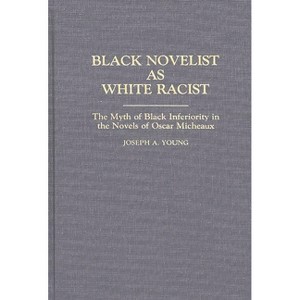
In exceptionally close analyses of six novels by black writer Oscar Micheaux (1884-1948?)
About the Author: JOSEPH A. YOUNG is Assistant Professor of English at the University of Wisconsin-La Crosse.
193 Pages
Literary Criticism, American
Series Name: Contributions in Afro-American and African Studies: Contempo
Description
About the Book
In exceptionally close analyses of six novels by black writer Oscar Micheaux (1884-1948?) beginning with The Conquest, written in 1913, The Forged Note (1915), The Homesteader (1917), The Wind from Nowhere (1941), The Case of Mrs. Wingate (1945), and The Story of Dorothy Stanfield (1946), Young traces the development of Micheaux's racial theories and of his stance as apologist for American imperialism. Young argues that these novels are examples of the detrimental effect of oppressive myths on early twentieth-century black behavior and values. The characters in the novels tend to mirror the black stereotypes of the post-bellum confederate romanticists, both the Cavalier racists and the Negrophobes. Adopting the world view of the oppressor required that Micheaux reject both his own blackness and that of his racial kinsmen. Along with many other black writers, Micheaux believed that to assimilate, blacks must learn to pass for white by adopting Anglo-Saxon values, myths, and philosophy. The novels make statements about life from a point of view that exaggerates the worst side of black character, perpetuating the myth of black inferiority that the black protagonists transcend. Young explores the influences of both Jack London and Friedrich Nietzsche on Micheaux's heroes. Micheaux's significance lies less as a figure of literary merit than as an especially graphic example of a black artist unwittingly espousing the beliefs of the oppressor rather than writing out of a truly black aesthetic philosophy. Ironically, Micheaux not only perpetuated racist myths in his novels, but was the victim of such myths as well. Between 1919 and 1948 Micheaux also wrote, directed, and produced over thirty films and was perhaps the most important Afro-American filmmaker before the Civil Rights Movement.
The only in-depth study of Micheaux's novels, and one rich in period detail and insights into the evolution of black stereotypes as reflected in the novels of a black artist, Black Novelist as White Racist would be useful to students and teachers of Afro-American Literature and Plains and Western Literature, as well as to those interested in race theory, film history, and sociology.
Book Synopsis
In exceptionally close analyses of six novels by black writer Oscar Micheaux (1884-1948?) beginning with The Conquest, written in 1913, The Forged Note (1915), The Homesteader (1917), The Wind from Nowhere (1941), The Case of Mrs. Wingate (1945), and The Story of Dorothy Stanfield (1946), Young traces the development of Micheaux's racial theories and of his stance as apologist for American imperialism. Young argues that these novels are examples of the detrimental effect of oppressive myths on early twentieth-century black behavior and values. The characters in the novels tend to mirror the black stereotypes of the post-bellum confederate romanticists, both the Cavalier racists and the Negrophobes. Adopting the world view of the oppressor required that Micheaux reject both his own blackness and that of his racial kinsmen. Along with many other black writers, Micheaux believed that to assimilate, blacks must learn to pass for white by adopting Anglo-Saxon values, myths, and philosophy. The novels make statements about life from a point of view that exaggerates the worst side of black character, perpetuating the myth of black inferiority that the black protagonists transcend. Young explores the influences of both Jack London and Friedrich Nietzsche on Micheaux's heroes. Micheaux's significance lies less as a figure of literary merit than as an especially graphic example of a black artist unwittingly espousing the beliefs of the oppressor rather than writing out of a truly black aesthetic philosophy. Ironically, Micheaux not only perpetuated racist myths in his novels, but was the victim of such myths as well. Between 1919 and 1948 Micheaux also wrote, directed, and produced over thirty films and was perhaps the most important Afro-American filmmaker before the Civil Rights Movement.
The only in-depth study of Micheaux's novels, and one rich in period detail and insights into the evolution of black stereotypes as reflected in the novels of a black artist, Black Novelist as White Racist would be useful to students and teachers of Afro-American Literature and Plains and Western Literature, as well as to those interested in race theory, film history, and sociology.
About the Author
JOSEPH A. YOUNG is Assistant Professor of English at the University of Wisconsin-La Crosse. He is currently working on four articles for publication.
Dimensions (Overall): 9.58 Inches (H) x 6.44 Inches (W) x .81 Inches (D)
Weight: 1.06 Pounds
Suggested Age: 22 Years and Up
Number of Pages: 193
Genre: Literary Criticism
Sub-Genre: American
Series Title: Contributions in Afro-American and African Studies: Contempo
Publisher: Praeger
Theme: General
Format: Hardcover
Author: Joseph Young
Language: English
Street Date: August 7, 1989
TCIN: 1007906462
UPC: 9780313257490
Item Number (DPCI): 247-08-6492
Origin: Made in the USA or Imported
If the item details aren’t accurate or complete, we want to know about it.
Shipping details
Estimated ship dimensions: 0.81 inches length x 6.44 inches width x 9.58 inches height
Estimated ship weight: 1.06 pounds
We regret that this item cannot be shipped to PO Boxes.
This item cannot be shipped to the following locations: American Samoa (see also separate entry under AS), Guam (see also separate entry under GU), Northern Mariana Islands, Puerto Rico (see also separate entry under PR), United States Minor Outlying Islands, Virgin Islands, U.S., APO/FPO
Return details
This item can be returned to any Target store or Target.com.
This item must be returned within 90 days of the date it was purchased in store, shipped, delivered by a Shipt shopper, or made ready for pickup.